Enhancing Wall Design with Picture Frames
Intro
In today's world of home decor, a wall without personality is like a canvas lacking paint. Picture frames serve as that vital touch, weaving both function and art into the very fabric of our spaces. Whether it's a cozy nook in a home or a lively segment within a commercial setting, framing art and memories means much more than simply hanging pictures; it's about creating narratives and evoking emotions.
This guide explores various dimensions of wall design through the lens of picture frames. From understanding the types of frames available to examining how they can be arranged, the journey ahead will uncover various harmonious styles and cultural influences that can breathe life into any wall.
So, grab a cup of coffee, and let’s embark on this design exploration together.
Furniture Selection Guide
Key Factors in Choosing the Right Furniture
While discussing frames, we cannot ignore the furniture that complements them. The right furniture helps set the tone of the room and enhances the focus on those carefully curated art pieces. Here are some factors to keep in mind:
- Size and Scale: Consider the proportions of your furniture in relation to the frames you want to showcase. Oversized furniture can dwarf small frames, while delicate pieces may look lost against bold wall art.
- Style Cohesion: Your furniture should harmonize with the design of the frames. A sleek, modern sofa can contrast beautifully with vintage frames, while rustic furniture may blend seamlessly with handmade, artisanal frames.
- Functionality: Think practical. Items that allow for easy movement or that serve multiple purposes can provide space for adding feature walls without clutter.
Tips for Integrating Style and Functionality
Integrating style and functionality can be a balancing act. Here are ways to ensure they coalesce:
- Mix and Match: Don’t shy away from contrasting styles. Pair a contemporary sectional with an eclectic mix of frames; it can create a striking visual palette.
- Layering Techniques: Use furniture positioning to create visual depth. For example, a console table against a wall can not only hold frames but also provide space for decorative elements.
- Using Ancillary Accents: Incorporate colors from your frames into other furniture items, like cushions or rugs, to create a cohesive look.
Maintenance and Care
Essential Tips for Furniture Longevity
Proper furniture care is crucial to maintain its beauty and usability, especially when it surrounds your picture displays. Here are some tips to aid in longevity:
- Regular Dusting: Dust can dull surfaces. A quick wipe down with a soft cloth keeps furniture looking fresh.
- Avoid Direct Sunlight: Prolonged exposure to sunlight can fade fabrics and materials. Think about positioning or using protective covers.
- Protective Coatings: For wooden furniture, applying a suitable sealant can give an extra layer of defense against scratches and stains.
Common Mistakes to Avoid in Furniture Care
Even the most vigilant can slip up when it comes to furniture care. Avoid these common pitfalls:
- Overloading Surfaces: Putting too much weight on a table can warp or break it. Check weight limits on furniture before decorating.
- Neglecting Seasonal Changes: Temperature and humidity fluctuations can harm materials. Be sure to adjust care according to the season.
- Using Harsh Chemicals: Strong cleaners can damage finishes. Stick to gentle cleaners suitable for the material.
By integrating the right furniture with the perfect frame arrangements, you become not just a decorator, but a storyteller with every piece on your wall.
With this foundational understanding, we are now well-prepared to dive deeper into the fascinating relationship between picture frames and wall design. Excited? Let's continue.
The Importance of Wall Design
Wall design plays an essential role in shaping the overall atmosphere and functionality of a space. It doesn’t just serve as a backdrop; it has the potential to influence emotions, guide behaviors, and reflect personal or corporate identities. Whether in homes or commercial settings, the way walls are designed can affect how we interact with a space and with each other.
Defining Wall Design
Wall design refers to the arrangement of color, texture, patterns, and, crucially, the integration of decorative elements such as picture frames. These elements work together to create a cohesive look that can vary from minimalist to eclectic. A well-thought-out wall design can turn any room into a work of art, making a space feel complete and inviting.
The Role of Art in Spaces
Art can have an impressive impact on a room, serving not only as decoration but as a means of communication and expression.
Enhancing Aesthetics
The aesthetic enhancement brought by art cannot be overstated. Picture frames contribute visual interest and depth to walls, serving as a foundation for the eye to explore the room. They bridge functionality and beauty, adding layers that draw attention and invite dialogue. The choices made in frame styles and colors can make a room feel cohesive or dynamic, depending on the desired effect. It's a popular choice for those looking to add elegance or whimsy to a space. The unique feature of this approach is its versatility; different styles can convey vastly different emotions, catering to various preferences and atmospheres.
Creating Focal Points
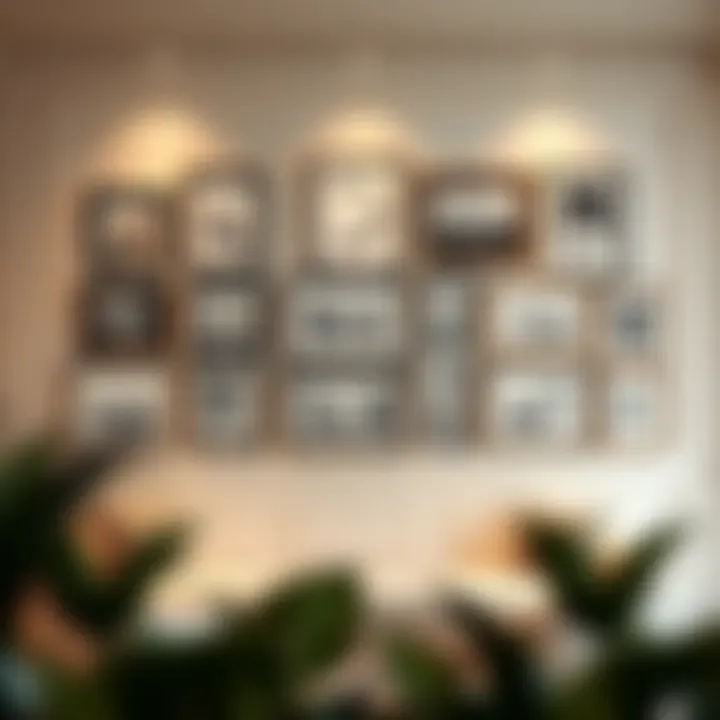
Creating focal points is another crucial function of picture frames. By drawing attention to a specific area of a wall, they can guide the viewer’s gaze and help to structure the overall design. A gallery wall with carefully arranged frames can turn a plain space into a vibrant storytelling canvas. This strategic use of frames not only directs focus but also enhances the perception of space, allowing wide areas to feel more intimate. The benefit lies in the ability to convey messages or themes, while the disadvantage may come in the form of overcrowding if not executed with care.
Personal Expression
Personal expression through picture frames allows individuals to infuse their unique identity into their surroundings. Choosing images and styles that resonate on a personal level not only enhances visual appeal but also creates an emotional connection to the space. The advantage of this approach is that it transforms a room into a reflection of who a person is, fostering comfort and authenticity. However, care must be taken to ensure that the chosen frames and images harmonize with the overall design, or they may clash and detract from the aesthetic.
Psychological Impacts of Design
The psychological effects of wall design are profound, as the environment we inhabit influences our mood and behavior.
Emotional Responses
Emotional responses to design elements can greatly shape one’s experience within a space. Thoughtfully designed walls—including those adorned with well-chosen picture frames—can evoke a sense of calm or excitement, a compelling reason for individuals to discuss the importance of wall aesthetics. The key characteristic here is that it fosters an environment conducive to particular moods, making it a beneficial strategy for both residential and commercial spaces. However, poorly executed wall designs may evoke feelings of discomfort or confusion.
Mood Enhancement
Mood enhancement is another critical aspect of wall design, as colors and designs can significantly influence our feelings. Bright colors and dynamic art can energize a space, while softer tones can promote tranquility. The unique feature lies in the ability to craft an atmosphere tailored to the needs of the occupants. In this article, emphasizing the correct blend of colors and design elements helps maximize the positive effects on mood. But one must be cautious; overly bold choices may lead to overstimulation, making the space feel chaotic.
"Design is not just what it looks like and feels like. Design is how it works." - Steve Jobs
In essence, wall design is fundamental in creating spaces that are not only visually appealing but also psychologically uplifting and reflective of one's personal or professional identity. As we delve deeper into specific aspects like picture frames, we’ll continue to explore their multifaceted roles in achieving beautiful and meaningful wall design.
Types of Picture Frames
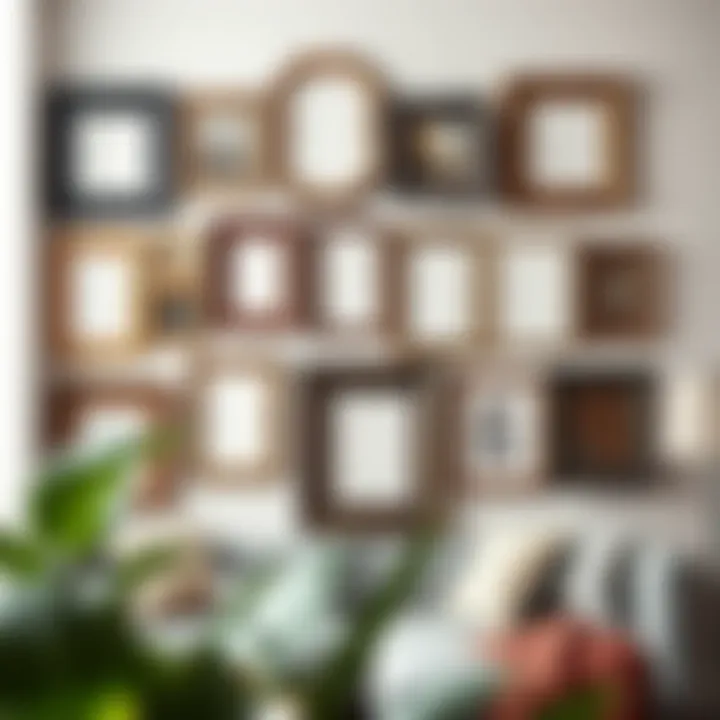
Picture frames play a pivotal role in wall design by not only complementing artwork but also enhancing the overall atmosphere of a room. The selection of frame type can significantly impact how art is perceived. Different materials, styles, and finishes can tell distinct stories about both the piece being displayed and the home or business it graces. Adapting to the needs of space and individual tastes is essential when choosing the right picture frame. Let's explore the various types in detail.
Material Variations
Wood Frames
Wood frames often embody timelessness and warmth. Their versatility allows them to fit in various design themes, whether rustic or contemporary. The unmistakable grain of wood adds depth and an organic touch, making them a favored choice among stylists.
One key feature of wood frames is their customizability. They can be stained, painted, or left natural to create different looks. While solid wood can be more expensive, alternatives like engineered woods provide cost-effective options. However, wood can be sensitive to environmental factors, such as humidity, which might cause it to warp over time.
Metal Frames
Metal frames introduce a sleek and modern feel to any artwork. Typically made from aluminum or steel, they are known for their durability and can often be found in matte, glossy, or brushed finishes. The key characteristic of metal frames is their lightweight nature, allowing for large frames without heavy-duty wall supports.
On the downside, metal frames do not offer the same warmth as wood. They might seem cold for some styles or art forms, making it essential to consider the overall ambiance of the room when selecting. They work exceptionally well in contemporary spaces but may not suit rustic or vintage styles as effectively.
Plastic Frames
Plastic frames are often an economical choice, providing the look of other materials at a fraction of the cost. Their lightweight nature makes them incredibly easy to handle and install. Modern advances in production have also led to varied designs that mimic wood or metal.
However, durability can be an issue here, especially with cheaper options. Some plastic frames might fade or become brittle over time. Thus, they are best suited for casual spaces or for those looking to frugally display art without sacrificing style entirely.
Glass vs. Acrylic
When considering glass versus acrylic, one must weigh clarity and shatter resistance. Glass, while traditionally used, can be heavier and more prone to breakage. On the other hand, acrylic is often lauded for its shatter-resistant properties, making it a safer alternative, especially for households with children.
Unique features of glass include its optical clarity, which can enhance the visual impact of the artwork beneath. However, acrylic can be almost as clear and is lighter, making it particularly good for larger frames. Each material has its own pros and cons—glass often providing a more premium feel, while acrylic can be more practical and flexible in certain environments.
Frame Styles
Classic vs. Modern
The comparison of classic and modern frames showcases the evolution of design preferences in wall decor. Classic frames typically feature intricate details and rich finishes, often adding a sense of history or elegance to a room. They are particularly effective in traditional or vintage settings.
Conversely, modern frames emphasize simplicity and minimalism. They often utilize clean lines and basic shapes, allowing the artwork to take center stage. The choice between these two styles heavily affects the overall feel of a space. While classic may evoke nostalgia, modern can convey a fresh, forward-thinking presence.
Minimalist Frames
Minimalist frames excel in portraying simplicity and elegance, focusing on clean lines and neutral colors. Their understated design allows the artwork to shine without distraction. A prominent choice among those desiring a sleek, contemporary look, they can seamlessly blend into various decor styles.
While minimalist frames can beautify a space, they may not be suited for every artwork. Some bold, colorful pieces might lose their impact against such a demure background, which can be a disadvantage for certain artistic expressions.
Ornate and Decorative Frames
Ornate and decorative frames, with their elaborate designs and textures, can function as art pieces on their own. They often showcase craftsmanship, featuring carvings, gold leaf, or other embellishments. Such frames can enrich the overall aesthetic of a room, providing a stark contrast to plain walls.
However, they demand careful selection as their boldness can overpower simpler art, requiring balance in arrangement. These frames can be a striking addition to spaces aiming for opulence or character but might clash with more modern aesthetics.
Color and Texture Choices
Neutral Tones
Neutral tones in picture frames can provide serene background support to any art piece. Ranging from whites and creams to soft grays, they deliver a timeless quality. Such frames complement various design schemes while helping artwork stand out.
Not only are these tones inherently versatile, but they also afford a calming effect in a space. The main drawback, however, is that they may lack character and flair compared to bolder options. In environments filled with color, they may risk appearing flat or uninteresting.
Bold Colors
Bold colored frames introduce a vibrancy that can enliven a space. They often act as eye-catching accents, and their vividness can make a statement. Homeowners and designers often opt for these frames in youthful environments or areas meant for creative expression.
The risk lies in their potential to clash with existing decor if not selected thoughtfully. Moreover, in a more subdued environment, they may feel out of place if they don’t harmoniously integrate with surrounding elements.
Textured Finishes
Textured finishes on frames can add another layer of interest. Materials such as distressed wood, woven textiles, or sculpted metals create tactile beauty that draws attention. These textures can provide depth and character, elevating even the simplest artwork into a focal point.
On the downside, if overdone, these finishes can seem gaudy or overwhelming. It’s crucial to balance texture with surrounding decor, ensuring that the frame enhances rather than distracts from the art.
Arranging Picture Frames
In the world of wall design, arranging picture frames holds a crucial role. It's not just about hanging frames; it's about how these frames interact with the space, the viewer, and the overall aesthetic. A well-thought-out arrangement can elevate a room, drawing the eye naturally and making each frame a part of a bigger story. The layout can enhance homey feels, display a personal collection, or even add a hint of avant-garde flair to a more robust commercial space. The right arrangement melds functionality and artistry, transforming a plain wall into a visual narrative.
Gallery Wall Concepts
Symmetrical Arrangements
Symmetrical arrangements are a delightful blend of order and elegance. This design approach places similar frames or artworks at equal distances, creating a harmony that soothes the eyes instantly. It’s a concept favored for its classic appeal; folks often perceive it as more formal or traditional. The key characteristic of symmetrical arrangements is their balance, offering a sense of stability that resonates well in tranquil settings like homes or art studios.
The unique feature of this arrangement is its predictable nature, which can be both an advantage and a disadvantage. On the upside, it’s straightforward to execute; anyone can measure and place frames in parallel lines. On the downside, it might lack the excitement some spaces crave. For someone who enjoys a sprinkle of dynamism in their décor, sticking solely to symmetry might feel like playing it safe. Still, when used wisely, it can provide a grounding structure amid more chaotic design elements.
Asymmetrical Designs
Now shifting gears, asymmetrical designs break the mold with a free-spirited approach. Instead of balanced harmony, this layout relies on varied sizes and shapes to create visual interest. The key characteristic of asymmetrical designs is their dynamic nature; they bring life to a wall and evoke curiosity. This choice is increasingly popular, especially in modern and eclectic spaces, where traditional lines are tossed out the window in favor of whimsy and experimentation.
A unique feature here is the ability to infuse personality directly into the arrangement. Frames can be positioned at differing heights and intervals, encouraging the observer’s gaze to wander across the wall and discover each piece. However, some may find this layout challenging to manage; without careful consideration, it can appear chaotic or muddled. The benefit lies in its capacity to reflect individuality, fostering connection through an honest display of one’s style.
Layering Techniques
Overlapping Frames
Layering, particularly via overlapping frames, can introduce a three-dimensional quality to wall designs. This technique involves placing one frame on top of another or arranging them slightly askew, creating depth that can captivate viewers. Its appeal lies in its ability to enhance textures and patterns while maintaining a cohesive look. A key characteristic here is the gentle play between the layers, which can evoke dialogue among the pieces.
However, overlapping frames can be a double-edged sword. While they add character and intrigue, they also obscure parts of the artworks, which might be seen as diminishing their presence. It’s a balancing act; thus, those who use this approach should be mindful of which works to layer, ensuring the most visually compelling pieces remain prominent.
Combining Sizes
Combining sizes in frame arrangements creates an exciting visual rhythm that can energize a space. This method encourages the use of both large statement pieces and smaller, more subtle photographs. The key characteristic of this technique is its versatility; it can work effortlessly in myriad contexts, from a cozy nook to a sprawling gallery wall. This option is especially beneficial because it invites creativity and an organic feel to arrangement.
The unique feature of combining sizes allows for a narrative-like flow, as the eye moves from one frame to another, building a connection among the disparate visuals. Yet, some may face challenges in achieving a harmonious feel. If not curated carefully, the interplay of sizes could come across as hodgepodge rather than thoughtfully disbursed. Nevertheless, when well-executed, it's a resonating testimony to personal taste.
Creating Unity and Balance
Color Matching
Color matching can serve as a unifying thread that binds various frames into a visually coherent display. Using a consistent color palette—whether through the frames themselves or the pictures inside—creates a dynamic yet harmonious appearance. The key characteristic of color matching is its capacity to evoke mood; for instance, cool hues might elicit calmness, while warm tones add a sense of vitality.
This aspect of arrangement is beneficial as it can transform an otherwise disparate collection into a cohesive masterpiece. Colors can soften an arrangement; however, too strict of a color scheme might stifle creativity or limit expression. Ultimately, the choice of colors should reflect the individual's tastes and the essence of the surrounding space.
Theme Consistency
Lastly, theme consistency brings coherence to arrangements, ensuring all components align under a shared concept or narrative. If someone curates their frames around travel photos or family moments, maintaining that theme makes the wall feel intentional and personal. The key characteristic here is the story being told—each piece adds to the overarching plot.
Implementing a consistent theme is advantageous because it enriches the viewer's experience by providing context; however, focusing solely on a single theme might limit the diversity of works displayed. Therefore, it’s crucial to balance personal expression with the unifying theme to create relatable, lived-in aesthetics that still resonate.
Cultural Perspectives on Picture Frames
Understanding the cultural perspectives on picture frames is essential for comprehending how different societies interpret art and expression through wall design. The cultural lens allows us to recognize the historical significance, artistic trends, and personal sentiments that frames encapsulate. This section delves into how picture frames transcend mere functionality, becoming symbols of identity, heritage, and modernity that reflect the multifaceted nature of our spaces.
Historical Context
Traditional Frames Across Cultures
Traditional frames have played a pivotal role in representing cultural identity across various regions. For instance, in Japan, the use of tatami mats and shoji screens not only serves as physical boundaries but also influences how art is framed and displayed. The simplicity of the frame highlights the art without overshadowing it, reflecting Zen principles of harmony and balance.
One key characteristic of traditional frames lies in their materials and craftsmanship. Often hand-carved from woods indigenous to the region, such frames bring a touch of authenticity and uniqueness to each piece of art. This hands-on approach has made traditional frames a popular choice for art collectors and decorators looking to introduce an air of history and craftsmanship to their spaces.
However, these traditional methods may come with some limitations. They might not suit the contemporary appetite for minimalism, where less is often considered more. Yet, they can equally be seen as timeless choices that bring a narrative depth to wall decor.
Symbolism in Frame Designs
Picture frames have also carried significant symbolic weight throughout history. The choice of colors, materials, and designs in frame construction often reflects deeper meanings tied to cultural beliefs or aesthetic ideals. For example, in many African cultures, ornate frames adorned with vibrant colors signify prosperity and celebration. A simple yet astoundingly vibrant turquoise frame could symbolize water and prosperity, essential elements for communities that rely on agriculture.
Frames can serve to represent transitional moments or significant events in life. A frame that encapsulates a wedding photo could symbolize love and commitment, while a family portrait displayed in an ornate, gold frame signifies heritage and legacy. The inherent symbolism of frames enhances the storytelling aspect of wall decor, making it an intriguing choice for homeowners and designers alike.
Modern Trends in Different Regions
Scandinavian Minimalism
In stark contrast to traditional settings, Scandinavian minimalism has carved a niche in modern wall design. Characterized by clean lines and functional designs, this trend emphasizes simplicity and natural materials, often using light wood and neutral colors. The essence of Scandinavian minimalism is to create an uncluttered space that lends itself to serene living.
A hallmark of this style is the use of frames that compliment rather than dominate the artwork. This subtlety encourages viewers to focus on the art itself, fostering a connection between the piece and the observer. For designers and homeowners seeking a modern aesthetic, the benefits of Scandinavian minimalism are apparent: it creates a calming space that embraces the beauty of simplicity while still showcasing art.
Nevertheless, this minimalist approach may not resonate with those who appreciate boldness and intricacy in design. It risks appearing sterile or overly simplistic if not balanced with thoughtful art choices.
Eclectic Fusion Styles
Eclectic fusion styles represent a blend of various cultural influences, combining bold colors, patterns, and frame designs from different traditions into a cohesive whole. This trend speaks to a desire for individuality and personal expression, allowing creativity to flourish in a myriad of forms.
The beauty of eclectic styles lies in their ability to adapt and create a layered look that tells a visual story. A colorful, artisan-crafted frame may sit beside a sleek modern frame, reflecting a traveler's adventures or a collector's journey through art. This unique feature encourages an ongoing dialogue between the artwork and its frame, enriching the viewer's experience.
However, the eclectic approach can sometimes lead to visual chaos if not executed with a discerning eye. Striking the right balance is crucial; one must curate carefully, ensuring all elements complement each other without overpowering the central artwork.
In summary, cultural perspectives on picture frames deepen our understanding of wall design by showcasing how these elements express identity and emotion across different contexts. Whether it’s the historical significance of traditional frames or the fresh allure of modern trends, each choice conveys an insight into the values and aesthetics of a culture.
DIY Picture Frame Projects
Embarking on a DIY picture frame project is more than just a fun way to spend a weekend; it’s a chance to infuse your personality into your living space. As we navigate through wall design, it becomes evident that DIY frames can serve as a centerpiece. They allow homeowners, designers, and casual enthusiasts to express creativity while providing practical benefits like cost savings and customization. Workshop time spent crafting frames is not merely about aesthetics—it’s an opportunity for personal investment in your home’s décor.
Materials Needed
Craft Supplies
When considering craft supplies for picture frames, it’s essential to choose materials that resonate with the desired final product. Common materials like wood, cardboard, or even repurposed fabric can yield striking results. Wood is often favored for its versatility and durability. You can paint it, stain it, or leave it natural for a rustic touch. Cardboard, while less sturdy, offers flexibility for whimsical designs. The key characteristic here is adaptability; you can easily manipulate these materials into various styles that suit the overall design intent. However, while cardboard may be easier on the wallet, it's not particularly suited for long-lasting frames.
Tools for Assembly
Effective assembly is crucial to bring your DIY picture frames to life. Tools like miter saws, glue guns, and clamps make the crafting process efficient and streamlined. Miter saws offer precision in cutting angles, which is especially important when constructing corners. On the other hand, a glue gun provides quick adhesion, allowing DIYers a chance to see their progress rapidly. The unique feature of this array of tools is their contribution to achieving a polished finish, minimizing visible imperfections in your work. However, it’s vital to pay close attention to safety guidelines, especially when using blades or hot glue.
Creating Custom Frames
Personalized Finishes
The beauty of personalized finishes lies in their ability to transform a simple frame into a work of art that reflects the owner’s identity. Techniques like decoupage, hand-painting, or applying metallic leaf can add unique flair to each frame. This artistic touch can make a frame not just a holder of memories, but a statement piece on its own. The key characteristic here is personalization—you are not just following a trend but creating something that speaks to your style. However, achieving the desired look can require a bit of trial and error, so patience is necessary.
Unique Shapes
When it comes to picture frames, embracing unique shapes can be a game-changer. Rather than sticking to the usual rectangles or squares, think about circles, hexagons, or even abstract forms. Utilizing unexpected shapes can add an exciting dimension to wall design. The standout benefit of this approach is visual intrigue; unique frame shapes can draw attention and stimulate conversation. Yet, while these shapes can serve as bold design statements, they may also necessitate additional planning for proper display, ensuring that the art inside is just as captivating.
Hanging Techniques
Wall Adhesives
Wall adhesives are an innovative solution for hanging frames, especially for those looking to avoid wall damage. These adhesives allow for precision positioning and can be removed without leaving unsightly holes. This is particularly advantageous for renters or those who like to frequently change their wall displays. The key characteristic of wall adhesives is ease of use, as they often require no additional tools. However, it's critical to ensure that the adhesive is strong enough to hold the weight of the frame and art, as not all adhesives are created equal.
Traditional Hanging Methods
Though modern options like wall adhesives have their perks, traditional hanging methods—such as picture hooks or nails—remain popular for a reason. They offer reliability and a classic touch, especially for heavier frames. The unique feature of these methods lies in their durability; once installed properly, they can withstand the test of time. However, traditional methods might not be suitable for all wall types, and the prospect of hammering nails may deter some, particularly those who prefer a more temporary setup.
Engaging in DIY picture frame projects allows individuals to enhance their wall designs while revealing their unique tastes and stories. It's not just about displaying art; it's about creating lasting memories.
Case Studies in Successful Wall Designs
The exploration of wall design takes a notable turn when it enters the realm of case studies. By analyzing real-life applications of picture frames within different environments, we can discern how thoughtful designs translate into impactful aesthetics. These case studies not only illustrate effective practices but also provide readers with tangible examples that underline key principles of wall design.
Residential Projects
Residential spaces often showcase the personality of the inhabitants. This is where picture frames can play a pivotal role in creating an inviting atmosphere. For instance, a suburban family living room adorned with various family photos in eclectic frames can communicate warmth and intimacy. The styles range from modern sleek to rustic vintage, demonstrating that the choice of frame and arrangement can weave personal stories right into the fabric of the home.
Consider a charming example from a suburban home in Portland. Here, the owners opted for a wall that tells their family history through black-and-white photos, each framed in different materials — wood for warmth, metal for a modern touch, and even some handcrafted pieces. This unique gallery wall not only adds depth to the space but also serves as a focal point that attracts attention.
- Key Benefits:
- Adds a personal touch to the home
- Encourages storytelling and family bonding
- Enhances emotional warmth through visual elements
Commercial Applications
The application of wall design in commercial spaces offers more than just a visual treat; it can directly impact business dynamics. Picture frames in these settings often accomplish the dual goal of aesthetics and functionality, whether through showcasing art or presenting company achievements.
Offices
In an office setup, the efficacy of wall design can affect employee productivity and client impressions. A thoughtful selection of framed art pieces can promote a company culture that values creativity. For instance, a tech startup might choose bold, abstract artwork framed in crisp, minimalist frames to evoke innovation.
- Key Characteristic:
- Represents company brand and ethos
- Popular in modern workspaces
- Balances professionalism with inspiration
One unique feature could be using frames filled with employee artwork or photographs from team events, reflecting a more personal and inviting environment. The advantage here is twofold: employees feel more engaged and valued, while clients see a company that embraces creativity.
Restaurants
A well-designed restaurant environment can significantly enhance the dining experience, and picture frames contribute to that ambiance. Unlike typical decorations, framed art and photos can provide a sense of place and history, which patrons often find appealing.
- Key Characteristic:
- Establishes a theme and mood
- Enhances the dining experience through visual storytelling
- Beneficial choice for ambiance
In a local Italian bistro, framed vintage photographs of Italy on the walls can transport diners to another country while they enjoy their meal. This unique feature not only benefits aesthetic value but also hooks guests on an emotional level — enhancing their meal with a sense of narrative.
Disadvantages might include maintenance challenges, as frames need to be kept clean and intact in high-traffic environments, and it’s critical to choose materials that can withstand wear.
Epilogue: The Art and Functionality of Frames in Wall Design
In reviewing the integration of picture frames in wall design, it becomes evident that these elements are not merely functional but serve as significant artistic statements. Picture frames play a vital role in shaping the atmosphere of a space, contributing to its overall aesthetic and utility. They form a bridge between art and environment, guiding the eye and elevating the narrative of the room, whether in a cozy living room or a bustling restaurant.
Future Trends
The landscape of wall design continues to evolve, reflecting changing tastes and technological advancements. With the rise of digital decor, we can expect to see more mixed media installations that blend traditional frames with digital displays. This evolution may allow homeowners to adapt images showcased within frames to match their mood or the times of day. The growing movement towards sustainability will also influence frame design, with more emphasis on eco-friendly materials and production practices. Here are some trends to watch for:
- Smart Frames: Integration of technology into picture frames, allowing for adjustable displays.
- Sustainable Materials: Increased demand for frames made from recycled or sustainably sourced elements.
- Emphasis on Personalization: Custom framed collections that tell a personal story or highlight individual tastes will gain traction.
Final Thoughts
The use of picture frames in wall design transcends mere decoration; it's about creating a relationship between the inhabitants of the space and the environment itself. As designers, retailers, homeowners, and DIY enthusiasts explore innovative ways to elevate their walls, they also engage with the emotional aspects of how art is displayed and perceived. Choosing the right frame is as essential as the art itself—both are intertwined in a dance of style and significance.
In light of all the factors discussed, it's clear that the frame is more than a border around a picture; it's an experience, a narrative, and an integral part of wall design. Moving forward, embracing creativity and experimentation with picture frames can lead to extraordinary designs that reflect individual stories and cultural contexts, enhancing both residential and commercial spaces.
"Frames encapsulate what we cherish most. Their role should not be underestimated in shaping our environments."
For more insights on design trends, check out Britannica and to stay updated with emerging styles, follow discussions on Reddit.
Engaging with what's already familiar while exploring new methods can significantly influence wall design. The intersection of practicality and art embodied in picture frames confirms their lasting relevance in our spaces.