The Many Uses of 100% Cotton Curtain Panels

Intro
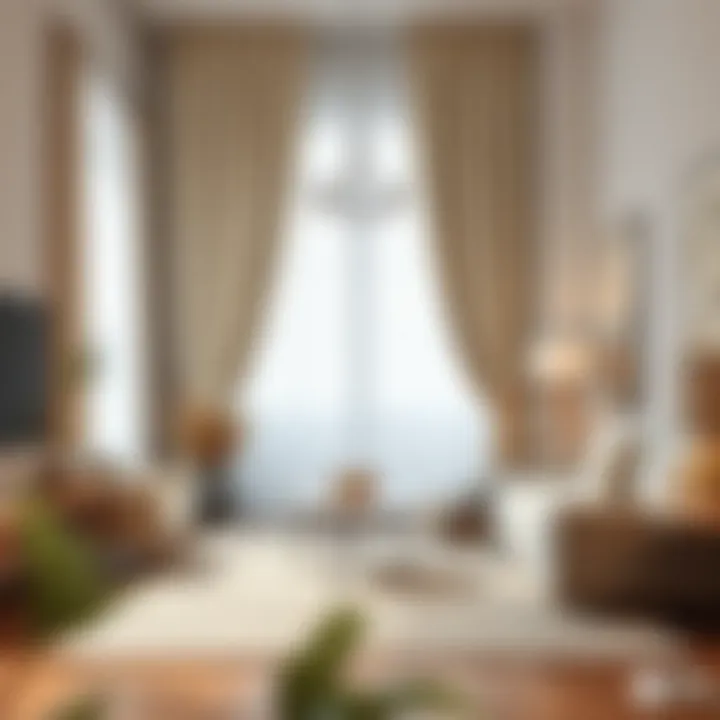
The realm of interior design is constantly evolving, yet some elements remain timelessly appealing. Among these, 100% cotton curtain panels hold a special place. Known for their natural texture and versatility, these panels are becoming a staple in homes, blending aesthetics with practicality. As we journey into the various applications and benefits of cotton curtain panels, it's crucial to understand how they influence not only the look of a room but also its functionality.
Furniture Selection Guide
Selecting the right furniture to complement 100% cotton curtain panels is a vital step in any interior design endeavor. The synergy between your curtains and furniture sets the tone for your living space. Here are some key pointers to consider:
Key Factors in Choosing the Right Furniture
- Color Compatibility: When picking furniture, think about colors and patterns. Neutral furniture pairs well with bold curtain designs, while colorful furniture can complement more subtle patterns. Make sure there's harmony in the hues.
- Material Balance: Cotton is soft and inviting. So, selecting furniture made from materials like wood or metal can add a nice contrast. Mixing textures not only enhances visual interest but also creates a layered effect in your space.
- Size Matters: Ensure your furniture doesn't overcrowd the room. Measure your space first because nothing is worse than having to maneuver around clunky pieces. Light, airy furniture can help maintain the flow, allowing your cotton curtains to flutter and breathe.
Tips for Integrating Style and Functionality
When integrating the style of your cotton curtains with functional furniture, consider the following:
- Multi-Use Pieces: Choose furniture that serves multiple purposes. A sofa bed or an ottoman with storage can maximize the room's utility while complementing your curtains.
- Curated Accessories: Use rugs, cushions, and throws to tie everything together. Choose colors from your curtains to create an inviting and cohesive look.
- Layering Heights: Vary the heights of furniture items. For instance, coupled with high curtains, you might want lower furniture pieces to draw the eye upward, enhancing the feeling of space.
Maintenance and Care
Caring for your 100% cotton curtains, as well as the furniture surrounding them, ensures longevity and aesthetic pleasure.
Essential Tips for Furniture Longevity
- Regular Dusting: Keep surfaces clean with regular dusting. This simple step prevents buildup that can dull finishes.
- Moisture Management: Protect wooden furniture from humidity, which can warp and ruin finishes. Use dehumidifiers or place furniture wisely in the room.
- Routine Check-Ups: Look for signs of wear and tear, like loose screws or fading fabrics. Addressing these issues proactively can save money in the long run.
Common Mistakes to Avoid in Furniture Care
- Over-Washing Curtains: While cotton is easy to clean, overdoing it can wear down fibers. Stick to a washing schedule that allows for occasional deep cleaning without causing damage.
- Ignoring Sunlight: Direct sunlight can fade colors in both curtains and furniture. Using UV-protective window films can help maintain the vibrancy of your decor.
- Skipping Pandemonium: Leaving clutter around can make your space feel cramped. Clear out unnecessary items to maintain flow and highlight your beautiful cotton curtains.
"The beauty of cotton curtain panels is not only in their design but also in their ability to transform a space's atmosphere, seamlessly integrating functionality with elegance."
Consider the experiences shared here a guiding map. Armed with a deeper understanding of how cotton curtain panels can interact with your space, you can confidently choose both curtains and accompanying furnishings that will enhance your home. For additional inspirations on interior design and sustainable practices, explore Britannica or Wikipedia.
Choosing cotton curtain panels opens a world of possibilities, setting the stage for innovative and stylish residential environments.
Understanding Cotton Curtain Panels
When it comes to interior design, cotton curtain panels are more than just mere fabric swathes that hang by windows; they’re an indispensable element that can shape the vibe of any room. Understanding this particular textile is key for designers and homeowners alike who are looking to enhance their living spaces. Whether you wish for an airy feel, cozy intimacy, or sophisticated elegance, the right cotton curtain panels can deliver that in spades.
So, why bother diving into the world of cotton curtain panels? Let's take a closer look: they offer versatility, durability, and a timeless appeal that matters. In design, these curtains can seamlessly transition from traditional environments to modern aesthetics. Think of them as the chameleons of window treatments, adapting to your decor while providing essential functions.
The Composition of Cotton Fabrics
To get a handle on these curtains, it’s crucial to understand the fabric composition. 100% cotton fabric is renowned for its natural origins and breathability. Derived from the fluffy cotton boll, this fabric provides not only comfort but also longevity. The unique fibers allow air to flow freely, making it a go-to choice in homes where temperature regulation is necessary.
Interestingly, the way cotton is weaved can vary quite drastically. Different weaving techniques result in distinct finishes, like sateen or canvas, each offering its own aesthetic appeal and texture. For example, a plain weave is sturdy and practical, while a twill weave can add depth to the design with its diagonal patterns. Each type opens a new door to creativity.
Also consider the weight of the fabric. Lightweight cotton can create a gentle, rustic feel, perfect for that breezy summer afternoon, whereas heavier cotton blends might be better for creating a more dramatic look suitable for a formal environment.
Reasons for Choosing % Cotton
Now, why should one choose 100% cotton over synthetic alternatives? The reasons are plenty and compelling:
- Breathability: Cotton allows air circulation, minimising condensation and improving indoor air quality.
- Eco-Friendly: Being a natural fiber, cotton is more sustainable than many synthetic textiles. It’s biodegradable, which means it breaks down naturally and won’t linger in a landfill.
- Hypoallergenic Qualities: For those with sensitivities, cotton’s minimal chemical treatment means it is less likely to trigger allergic reactions.
- Dye Affinity: Cotton takes dye exceptionally well. This results in vibrant colors and patterns that last for a long time, making them maintain their charm across seasons.
- Durability: While cotton seems delicate, it is incredibly tough. With proper care, cotton panels can withstand the test of time, avoiding frays and fading like many alternatives.
Choosing cotton curtains may save you a headache in the long run due to their durability and low-maintenance requirements.


As one can see, understanding cotton curtain panels is a gateway to enhancing your interior space while benefitting from a multitude of practical features. With the appropriate composition and inherent qualities, they prove to be a fitting choice for anyone eager to merge functionality with aesthetic appeal.
Design Aesthetics
Design aesthetics play a crucial role in how cotton curtain panels influence the overall vibe of a room. The right set of curtains doesn’t just serve a function; it’s a statement piece, adding layers of personality and style to your interiors. When choosing 100% cotton curtains, one must consider various factors ranging from style variations to color and print options. Each attribute contributes to a home’s ambiance while providing essential functional benefits as well.
Style Variations
Contemporary Styles
Contemporary styles bring a fresh perspective to interior design. These curtains often feature clean lines and minimal patterns, making them a versatile choice for varied spaces. The hallmark of contemporary curtains is their ability to blend seamlessly with modern decor. They often cater to a more casual, yet polished look. This aesthetic can be especially appealing for those who wish to create a chic, uncluttered environment. The unique feature of contemporary styles is their adaptability; they can effortlessly transition from one room to another without clashing. However, embracing a purely contemporary design may limit options for those wanting a more decorative approach.
Traditional Patterns
On the flip side, traditional patterns evoke a sense of nostalgia and warmth. These curtains often feature rich motifs, intricate floral designs, and herringbone patterns that can ground a space with character. The key characteristic of traditional designs is their ability to tell a story, linking historical influences with modern-day living. They are a beneficial choice for anyone looking to add depth and a touch of elegance to their homes. Unique to traditional patterns is their enduring appeal, which can sometimes make them seem outdated in modern settings. Balancing tradition with contemporary elements is crucial for achieving that harmonious look without it feeling stuck in time.
Minimalist Approaches
Minimalist approaches hone in on simplicity and functionality. For those looking to streamline their space, cotton curtains designed with minimalistic principles provide the ultimate solution; they offer a straightforward aesthetic that emphasizes space over embellishment. The significant advantage here is that they can create an airy, open feeling, making a room seem larger and more inviting. However, the challenge with minimalist curtains is that they often require careful styling; without additional decor elements, a minimalist space can come off as stark or empty.
Color and Print Options
Neutral Tones
Neutral tones in cotton curtains create a calming backdrop for any room. They serve as a blank canvas that complements existing decor while allowing brighter accents to pop. The primary appeal of neutral colors lies in their versatility and timelessness; they are easy to incorporate into various design schemes. A unique feature of neutrals is that they can significantly enhance natural light in a space, fostering an inviting atmosphere. However, one drawback is that they may lack personality unless paired with vibrant elements or textures.
Bold Colors
Alternatively, bold colors can make a striking statement. They have the power to invigorate a room, providing a much-needed burst of energy. The key characteristic of bold color choices is their ability to transform an ordinary space into a vibrant setting. They can be particularly effective in spaces designed for social interaction, creating an inviting environment that encourages gathering. Though, on the downside, bold colors can clash with certain decor styles and may require thoughtful integration to avoid overwhelming a room.
Patterned Choices
Patterned choices in cotton curtain panels open a wealth of opportunity for creativity. Patterns can set the tone for an entire room, be it playful, elegant, or eclectic. Choosing patterned fabrics allows for a unique expression of personal style. They not only add visual interest but can also serve as a focal point when designed thoughtfully. The downside to patterned curtains, however, is that they may limit flexibility in future decor changes; if the patterns are too bold, they can dominate the space, making updates challenging.
"When it comes to the aesthetic appeal of cotton curtains, the balance between functionality and visual allure is essential."
Combining various elements of design aesthetics, from styles to color palettes, helps to create a cohesive and inviting space while ensuring that your choice of cotton curtain panels serves both a practical and an artistic purpose.
Functional Benefits
Understanding the functional benefits of 100% cotton curtain panels is fundamental for any designer, homeowner, or DIY enthusiast aiming to enhance both aesthetics and practicality in their living spaces. These curtains offer much more than just an attractive appearance; they play a crucial role in light management, thermal insulation, and noise control, making them vital elements in interior design. Let's delve deeper into these aspects, emphasizing how cotton's unique properties contribute to a harmonious living environment.
Light Control and Privacy
Cotton curtain panels provide a high degree of light control while allowing homeowners to maintain their privacy. This balance is essential, especially in urban settings where nearby buildings can limit personal space.
- Sheer vs. Opaque: The beauty of cotton lies in its versatility. Sheer cotton panels are excellent for softly diffusing sunlight, creating a warm glow without letting in too much glare. Conversely, thicker cotton fabrics can block sunlight altogether, ensuring that bedrooms remain dark for restful sleep.
- Adjustable Style: Using multiple layers of cotton can allow for even greater flexibility with light management. Pairing sheer panels with heavier drapes provides options for varying degrees of light and privacy encroachment during the day.
The ability to manipulate light effectively isn’t just about comfort; it can also influence the mood of a room, affecting how spaces are perceived and used.
Thermal Insulation Properties
One of the less recognized yet significant benefits of 100% cotton is its thermal insulation properties. As many homeowners are keen to reduce energy expenses, cotton curtains can contribute positively to energy efficiency in the following ways:
- Keeping Warm: In colder months, cotton curtains can retain heat within a room by acting as an additional barrier against drafts. Unlike synthetic materials that may amplify cold air, cotton's natural fibers adapt to temperature changes, making interiors feel warmer without raising heating bills.
- Cooling Effects: Conversely, during hot summer months, cotton panels can block out the sun's harsh rays, keeping interior spaces cooler. This can reduce the reliance on air conditioning, thus making a house not just comfortable but also more sustainable.
"Utilizing 100% cotton curtains enhances not just the feel of a home but also its energy efficiency—an important consideration for modern living."


Noise Reduction Capabilities
Sound absorption is a critical factor that affects the overall atmosphere of a living space. Cotton has natural sound-dampening qualities that can be beneficial, particularly in bustling environments. Here’s how cotton curtains assist with noise management:
- Layering for Sound Absorption: Incorporating heavier cotton fabrics or layering multiple panels can significantly dampen outside noise. This creates a more tranquil indoor experience.
- Enhancing Acoustics: In addition to lowering outside noise, cotton curtains can improve a room's acoustics, making them ideal for spaces meant for entertainment or personal reflection by absorbing sound waves rather than reflecting them.
Installation and Maintenance
When diving into the arrangement of cotton curtain panels, the subsections of installation and maintenance play a crucial role. Not only do these factors ensure the curtains look good, but proper installation and upkeep will enhance functionality and longevity. Homeowners and designers alike must pay attention to these elements to optimize the benefits of their cotton curtains.
Measuring for Cotton Curtain Panels
Getting the right measurements is akin to laying a solid foundation before building a house. Incorrect dimensions can lead to ill-fitting curtains that neither enhance aesthetics nor serve their purpose. To begin with, it’s important to measure the width and length of your window accurately.
Here’s a quick run-down on how to measure:
- Width: Measure the width of the window frame from edge to edge. For a more dramatic effect, consider adding a few extra inches on either side so the panels can overlap. This also helps to block more light.
- Length: Decide whether you want your curtains to hang to the windowsill, the floor, or somewhere in between. Measure from the rod to your chosen endpoint. When in doubt, longer panels often lend a more elegant feel to the room.
Using a tape measure and keeping a notepad handy can make things a breeze. Remember, it's better to measure twice than to cut corners!
Hanging Techniques
There are various ways to hang 100% cotton curtain panels that can accentuate their beauty, depending on your style preference. The choice of hardware and hanging style affects not just the look but also the function of the curtains. Some prevalent techniques include:
- Rod Pocket: This more traditional method has a sleeve that lets the rod slide through, making for a casual look.
- Grommet: Grommet-top curtains allow smooth operation and a contemporary look. The metal rings at the top add a stylish touch.
- Clip Rings: These can add flair and allow for easy positioning of the curtains on the rod.
Each of these hanging techniques can dictate how fabric drapes, making the selection pivotal for your desired aesthetic.
Care and Cleaning Tips
Maintaining cotton curtains isn't rocket science, but some care goes a long way. Ensuring your curtains remain vibrant and functional hinges on proper washing and drying techniques.
Machine Washing
Machine washing cotton curtains often stands out as a popular choice due to convenience. A key characteristic of this method is its ability to save time. With just a few settings, you can have curtains ready in no time.
- Unique Feature: The ease of machine washing lies in the straightforward process; just toss the curtains in, add mild detergent, and let the machine work its magic.
- Advantages and Disadvantages: While this method is time-efficient, it's wise to check the care label to avoid shrinkage or fading, which can sometimes occur if the washing settings are too harsh.
Hand Washing
Hand washing, while more labor-intensive, can be gentle on fabrics and is a beneficial choice for delicate cotton curtains.
- Key Characteristic: This technique allows for more control over how much soap and scrubbing each section gets.
- Unique Feature: You can pay special attention to stains and ensure no harsh machines twist or tangle your curtains.
- Pros and Cons: However, this method can be time-consuming and might not be ideal if you’re in a hurry.
Drying Recommendations
How you dry your cotton curtains can impact their lifespan and look.
- Key Characteristic: It’s usually best to air dry your curtains whenever possible. Fresh air can help remove that damp smell.
- Benefits: Air drying allows fabrics to retain their shape and color, as excessive heat from dryers can sometimes cause shrinkage or damage.
- Considerations: If you use a dryer, opt for low heat, and be cautious about over-drying to avoid wrinkling or damage.
Maintaining cotton curtains involves more than mere aesthetics; understanding these various aspects enhances their functionality while keeping them looking sharp. With the right installation techniques and maintenance practices, anyone can elevate their living spaces effortlessly.
Sustainability Considerations
In recent years, sustainability has gained astonishing momentum as a vital consideration in design and consumer choices. With climate change breathing down our necks, opting for sustainable materials is not just a trend but a necessary shift. This section looks at why 100% cotton curtain panels stand out in terms of eco-friendliness and how they contribute positively to the environmental cause.
Eco-Friendly Fabric Choices

When selecting fabrics for home decor, cotton consistently comes up as a frontrunner due to its natural origins. Unlike synthetic fibers, which are often derived from petrochemicals, cotton is a plant-based fiber. This simple shift in material can have a cascading effect on the environmental footprint of your drapery.
Here are several compelling reasons why cotton is considered a more eco-friendly choice:
- Renewability: Cotton plants can regrow year after year, allowing for a sustainable supply without depleting natural resources.
- Low Energy Consumption: The production of cotton generally requires less energy compared to synthetic fibers. Moreover, it can often be produced with fewer harmful chemicals, especially when grown organically.
- Versatility: 100% cotton can be easily dyed and treated, reducing the need for additional synthetic materials often blended with other fabrics.
In a world increasingly leaning towards sustainable living, choosing cotton can create a ripple effect. It encourages manufacturers to adopt environmentally-friendly practices while promoting a consumer culture that values quality over quantity.
Biodegradable Properties of Cotton
Another significant aspect of 100% cotton is its biodegradability. Unlike synthetic materials that can linger in landfills for hundreds of years, cotton naturally breaks down through microbial activity in the soil. This occurrence reduces landfill waste, a substantial contributor to soil and water pollution.
To elaborate on its biodegradable properties, here are some intricate details:
- When disposed of properly, cotton curtains can decompose in 3-5 months, depending on environmental conditions.
- Cotton fabric, when composted, enriches the soil, contributing to better plant growth and sustaining local ecosystems.
- The breakdown process doesn't release harmful toxins, making it a far more sensible option for households trying to minimize their environmental impact.
Given the current climate crisis, every little effort counts. By opting for 100% cotton curtains, you not only beautify your living space but also take a stance towards a greener planet. It's a win-win situation that brings aesthetics and sustainability together in perfect harmony.
"Choosing 100% cotton means embracing a fabric that respects both aesthetics and the Earth."
For those interested in diving deeper into the sustainability aspect of textiles, you can check out Britannica.com and Wikipedia. Understanding more about cotton's impact can provide a fresh perspective for designers, decorators, and anyone keen on making responsible choices in home furnishings.
Cultural and Historical Context
Understanding the cultural and historical significance of cotton curtain panels broadens our appreciation for their role in interior design. This topic does not simply sketch a timeline; it paints a detailed portrait of how fabric, particularly cotton, has been woven into the very fabric of society. Cotton curtains are more than functional items; they are windows—both literally and metaphorically—into the lifestyles, traditions, and evolution of design philosophies throughout history.
Cotton in Interior Design History
Cotton’s journey in interior design is storied and diverse. While today we may think of cotton as a staple fabric for everyday use, it was not always so prevalent. In ancient Egypt, for example, linen held the limelight, but as trade routes expanded, cotton from India made waves in European markets. By the late 18th century, the invention of the spinning jenny profoundly impacted production, allowing cotton to transition from luxury to necessity.
Notably, the Industrial Revolution revolutionized not only how cotton was produced but also its role in home decor. By the early 19th century, cotton became synonymous with comfort. Striped and floral patterned curtains began to appear in homes, promoting a cozy and inviting atmosphere that the Victorian era cherished. Therefore, what we see in cotton curtains today—functional yet aesthetically pleasing—is directly shaped by these historical narratives.
Moreover, the cultural significance of cotton extends globally. In different regions, cotton has been adapted to fit various styles, climate challenges, and cultural expressions. From the intricate block prints of India to the rustic charm of American farmhouse interiors, cotton has bridged diverse aesthetic sensibilities.
Global Variations in Curtain Styles
Across continents and cultures, cotton curtains have adapted and transformed, reflecting local customs and artistic traditions. For instance, in Scandinavian design, a hallmark of minimalism uses light cotton fabrics to create airy spaces that exude tranquility and openness. Here, curtains are often kept plain or in neutral tones, allowing nature to play a starring role in interior settings.
On the other hand, in Mediterranean homes, brightly colored, patterned cotton was commonplace, often featuring tiles and textiles that echoed the surrounding landscape. These vibrant fabrics served not just as decor, but as reflections of the vibrant cultures.
- In Asia: The practice of using rice paper combined with cotton to create layered effects in window treatments offers privacy while still allowing in soft light.
- In America: Cotton curtains from the early 20th century frequently featured embroidery, illustrating a sheer comfort blended with artistic expression.
Thus, cotton curtains are not just decoration; they embody traditions and sense of place. Their versatility allows them to transcend mere functionality, intertwining with human experience through time.
"Cotton isn’t just a fiber; it’s a cultural narrative woven through time, echoing the voices of traditions and daily lives."
In recognizing the cultural and historical context of cotton curtain panels, we glean a multifaceted understanding of their significance—appreciating their role not just in enhancing aesthetics but also in encapsulating histories that shape our living environments.
End
When considering the role of 100% cotton curtain panels, understanding their future is essential for both designers and homeowners alike. This section brings to light significant trends in fabric, style, and sustainability, emphasizing that cotton curtains are far from outdated. As tastes evolve, the adaptability of these fabric panels will continue to resonate in modern interior design.
The Future of Cotton Curtains
1. Emphasis on Sustainability
As the world becomes increasingly eco-conscious, cotton curtains stand to benefit. Consumers are leaning more toward sustainable options. Unlike synthetic counterparts, cotton is a natural, breathable fabric. Its biodegradability makes it an appealing choice for those wanting to lessen their carbon footprint.
2. Innovative Fabric Treatments
Advancements in fabric technology will shape how cotton is utilized in curtain panels. For instance, treatments that enhance water resistance or repel dirt will enable cotton to become even more functional while maintaining its softness and aesthetic appeal. Designers might experiment with these novel treatments to create unique, long-lasting products.
3. Integration of Smart Technology
Imagine curtains that can automatically adjust based on sunlight exposure, providing optimal light control while saving energy. As smart home solutions gain traction, incorporating technology into cotton curtain designs can open up new pathways in functionality, something worth contemplating for forward-thinking retailers and designers.
4. Diverse Styles and Patterns
As global influences mix and mesh, the designs and patterns available for 100% cotton curtains are set for a renaissance. From vibrant prints reflecting tropical motifs to muted tones that embrace minimalism, the variety will cater to numerous tastes. Trends lean toward personal expression, shifting away from uniformity, allowing homeowners to make unique decor choices.
"With the fusion of innovation, style, and sustainability, 100% cotton curtain panels remain poised to take center stage in the coming years."