Funky Painted Furniture: A Vibrant Interior Revolution


Intro
The vibrant space of interior design has always found ways to express identity and creativity, and funky painted furniture is fast becoming a beacon of individuality within that realm. With its diverse range of styles, lively colors, and bold patterns, this unique furniture art transcends mere functionality. It invites homeowners and designers alike to step outside the boundaries of traditional decor and embrace a world where pieces become conversation starters. In this exploration, we delve into how funky painted furniture serves not only as practical elements of our homes but also reflects a vibrant tapestry of personal expression.
Amidst the rise of minimalism and neutral palettes, the resurgence of funky painted furniture signals an exciting shift back to personalization in interior design. This transformation does not merely rest on aesthetics; it connects deeply with the historical roots of furniture artistry, tracing back to movements that boldly challenged norms. In the sections to follow, we will traverse these historical lanes, scrutinize various styles, and provide actionable insights for those ready to infuse their spaces with personality.
"Funky painted furniture provides a canvas for creativity, blending function with artistic expression in a way that decor can truly connect to the personal narrative of a home."
Being open to inspiration from various sources, including local artisans and global trends, can greatly enhance one’s approach to incorporating these pieces. Whether you are a seasoned designer or a DIY enthusiast, the following sections will arm you with essential knowledge, practical tips, and relevant resources that cater to a wide audience—from homeowners making gradual changes to professionals who thrive on trendsetting in the world of interior design.
So, let’s roll up our sleeves and jump headfirst into this artistic adventure, beginning with a few significant factors to consider when selecting the right funky painted furniture for your abode.
Prolusion to Funky Painted Furniture
In recent years, funky painted furniture has carved its niche in the realm of interior design, capturing attention with its vibrant expressions of individuality. The significance of this topic lies not only in its aesthetic appeal but also in the broader context of contemporary decor where originality and self-expression take center stage. Funky painted furniture represents a blend of art and functionality, catering to those who seek to stand out by transforming everyday items into unique masterpieces.
Defining Funky Furniture
Funky furniture can be characterized by its playful designs, bold colors, and eclectic patterns. This form of furniture stands out from traditional pieces primarily because it breaks the mold of conventional design principles. Imagine a chair adorned with geometric shapes in a riot of colors, or a cabinet splashed with sunset hues and whimsical motifs. Such pieces don’t just serve a purpose but also tell a story; they reflect the personality and style of their owners. This personalization is key to understanding funky furniture. It goes beyond mere decoration—it is an artistic statement, a conversation starter that adds character to any room.
Funky can also be a term that describes how furniture reinterprets classical styles, incorporating modern verve and creativity. Think of retro-inspired designs with a contemporary twist—such combinations strike a chord with both nostalgia and innovation.
A Brief Historical Overview
The journey of painted furniture dates back centuries, but the funky aspect began to flourish during the 20th century as various art movements influenced home decor. The rise of pop art in the 1960s, for instance, inspired designers to play with color and form, leading to an explosion of creativity in furniture design. Artists began using furniture as a canvas for their ideas, resulting in eclectic looks that transformed spaces.
Fast forward to the late 20th century and the early 21st century, as vintage and thrift culture gained momentum, an upcycle movement emerged, paving the way for funky painted furniture. Homeowners and designers alike embraced the notion of repurposing old furniture, breathing new life into forgotten items. These pieces became mediums for self-expression, adorned with splashes of paint and artistic alterations.
Today, funky painted furniture resonates with a growing audience of designers, DIY enthusiasts, and homeowners aiming to create spaces filled with personality. By blending history with modern sensibilities, this trend not only honors the past but also invites unique interpretations fit for today’s diverse lifestyles.
"Funky furniture isn’t just about making a bold statement; it’s about capturing the essence of who you are and the life you want to lead."
This introduction to funky painted furniture serves as a precursor to further exploring its evolution, types, and cultural implications—each facet offering deeper insight into its role in contemporary design.
The Evolution of Furniture Painting
The art of painting furniture has journeyed through the ages, morphing from a utilitarian task to an intricate form of expression. The significance of this evolution lies not only in aesthetics but also in practical considerations that influence both the creator and the user.
Throughout the centuries, changing styles, technological advancements, and societal shifts have all played a role in how furniture painting is perceived and executed. What may have once been a simple way to enhance the durability of a piece has now blossomed into a canvas for personality and style. As we stroll through this historical landscape, it's imperative to grasp how modern perspectives on design are heavily influenced by these earlier practices. Growing interest in sustainability and individuality has brought a surge in creative freedom, allowing furniture to step beyond conventionality.
Traditional Techniques in Modern Contexts
When considering traditional painting methods, think about techniques like distemper or milk paint, often used in historic homes. These methods carry not just simplicity, but also a backstory of cultural resonance. For instance, many Shaker furniture pieces remained unadorned but were skillfully crafted, emphasizing functionality over flamboyance. Fast forward to today, and you see those minimalist qualities morph into stunning pieces. Designers are now blending these age-old techniques with contemporary aesthetics—translating our past into the present. Applying a milk paint finish to a retro chair can evoke that timeless feel while making it suitable for modern living spaces.
As painters reintegrate these traditional styles, they also reconsider materials. Isn’t it fascinating how a classic oil-based finish might now make way for eco-friendly alternatives? By embracing older techniques yet modifying materials to suit current environmental needs, artisans can craft pieces that are as responsible as they are beautiful.
Consider also how stencil work, once merely decorative, has transformed into a statement of artistic freedom. Artists today manipulate these techniques, creating layers of color and texture that reflect the vibrancy of modern life.
From Upcycling to Artistic Expression
The concept of upcycling has gained more traction in our eco-conscious world. Once viewed as a creative solution for waste, it has now carved its niche as an artistic expression. Imagine being able to turn what was once a neglected piece of furniture into a vibrant statement piece that speaks to both personal style and environmental sustainability.
This trend not only allows individual expression but also provides myriad choices for enthusiasts wanting to contribute to the circular economy. A thrifted dresser can easily be transformed with a splash of color and some stencils, easily emphasizing creativity and purpose. Have you noticed how local artisan markets often showcase upcycled furniture that resonates with people? It’s a charming way nostalgia collides with the modern ethos.
Moreover, custom paintings have taken a front seat, allowing consumers to seek out artisans who can manifest their visions onto furniture. The conceptual leap from merely painting to creating personalized, funky designs manifests the individual’s taste and lifestyle—something mass-produced items often lack.
In many households, these funky painted furniture pieces don’t just hold practical value; they tell stories that echo personal adventures or dreams. It’s a delightful mix of function and flair, where people are not only living with but also engaging in art.
Types of Funky Painted Furniture
When it comes to funky painted furniture, the diversity of forms and functions plays a pivotal role. Each piece can become a canvas for creativity, showcasing not just artistic flair but also a unique narrative within a space. The types of funky furniture explored below underscore how these items serve as functional showpieces that elevate design standards and inject personality into interiors.
Chairs and Stools
Chairs and stools hold a special place in the realm of funky painted furniture. Their utility is matched only by their potential for visual impact. From dining chairs splashed with vivid hues to quirky bar stools that feature hand-painted designs, these pieces can transform mundane settings into lively environments. One of the benefits of investing in funky chairs and stools is how they can act as conversation starters. Every time guests visit, they'll likely remark on the distinctive style, making them a catalyst for social interaction.
Moreover, considering the ergonomic aspects becomes vital when choosing these seats. While the aesthetic can draw the eye, comfort shouldn't be sacrificed. Funky furniture designers often marry form with functionality, and many pieces can include cushions or ergonomic shapes that ensure comfort while retaining their artistic edge.
Tables and Cabinets
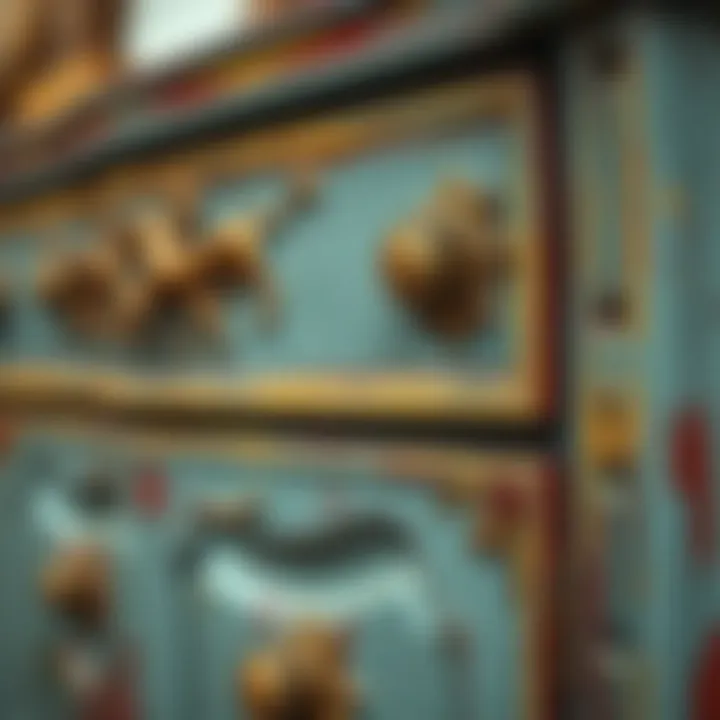
Tables and cabinets serve as the backbone of any living space, and incorporating funky painted designs into these pieces can redefine the overall atmosphere. Whether it’s a coffee table adorned with abstract patterns or an antique cabinet freshly painted with bold colors, the right choice can make a room together.
The choice of a table or cabinet can often reflect one’s personal narrative. For instance, a hand-painted dining table from a local artist may not just be a piece of furniture; it's a story woven into the fabric of your home. This uniqueness adds layers of character while also meeting practical needs.
It's also crucial to factor in how these items look alongside other elements in the space. Tables should harmonize with décor, but a funky design can contrast beautifully against neutral palettes, making it a striking focal point. Ensuring these pieces are durable, especially for frequently used items like tables, enhances their practicality—optimizing them as both art and utility.
Accent Pieces
Accent pieces embody the ultimate freedom in funky furniture design. Items like side tables, unique shelving units, or decorative benches offer homeowners the chance to experiment with daring colors and patterns without overwhelming larger spaces. These pieces can be easily swapped out or updated, representing changes in personal taste over time.
The beauty of accent furniture lies in its versatility. A brightly painted end table can add an unexpected dash of color next to a neutral sofa, creating a delightful contrast. These small yet impactful choices can transform the energy of a room, often providing a playful feel to otherwise formal settings.
Additionally, the cultural context of these accent pieces cannot be ignored. Items that reflect personal heritage or artistic preference can tell powerful stories about identity and creativity. As trends shift, accent pieces allow homeowners to adapt their spaces subtly while still reflecting their core aesthetic values.
"Funky painted furniture is more than just furniture; it's an opportunity for self-expression and individuality in design."
By exploring these various types of funky painted furniture, one gains an insight into an expressive means of home stylization. Each type of furniture offers distinct approaches to color, form, and function, enabling homeowners to enhance their spaces uniquely.
Popular Styles and Trends
The realm of funky painted furniture is ever-evolving, shaped by societal shifts, cultural movements, and individual creativity. Understanding the latest styles and trends is essential for anyone involved in interior design, whether they be professional designers, retailers, or DIY enthusiasts. These trends not only showcase personal tastes but also reflect broader cultural expressions and moods that resonate with the community.
Funky furniture pieces serve as conversation starters and focal points in any room. They bring personality into spaces, often telling stories about the creator and the environment from which they draw inspiration. As the market continues to evolve, it's vital to dissect the current trends, their roots, and how they can be effectively implemented in various settings.
Bohemian Influences
Bohemian style is characterized by its eclectic mix of colors, patterns, and textures. This approach embraces a sense of freedom, allowing for ambitious experimentation with paint, shapes, and finishes on furniture. Funky painted furniture in this vein often refuses to follow conventional rules.
- Vibrant Color Palettes: Rich, jewel-toned colors such as deep purples, greens, and blues paired with earthy colors often dominate.
- Mixed Patterns: Combining contrasting motifs creates visual excitement. For instance, a chair could have a floral seat and a striped backrest.
This aesthetic not only serves a practical purpose; it also nurtures an inviting and relaxed atmosphere. Bohemian influences in painted furniture can transform a stark room into a warm sanctuary—a perfect haven for creativity and relaxation. The underlying ideology here is about personal expression and comfort rather than strict adherence to design norms.
Mid-Century Modern Revival
The resurgence of mid-century modern design has led to a renewed interest in funky furniture that embodies the clean lines and functional forms of the 1950s and 60s. This style adopts bold colors while balancing them with natural wood tones, creating harmony between vibrancy and warmth.
- Iconic Shapes: Pieces often feature organic curves and geometric forms that speak to simplicity and sophistication.
- Bold Hues: Chartreuse, teal, and mustard yellow make statements as accent colors in furniture painting.
Mid-century modern revival furniture typically finds its place in homes that honor nostalgia while pushing contemporary boundaries. It strikes a balance between the playful and the professional, appealing to a wide variety of homeowners. As this style continues to resonate, we see an inventive blend of the old and the new, inviting lively expressions through updated palettes.
Contemporary Approaches
Contemporary funky painted furniture captures the essence of modern living, moving towards minimalism but embracing playfulness at the same time. The designs today incorporate innovative techniques and recyclable materials.
- Mix of Textures: Combining wood, metal, and paint finishes to create a cohesive, yet diverse, look.
- Sustainable Practices: There's a growing trend towards using eco-friendly paints and sustainable wood sources, marrying style with responsibility.
This approach is not just visually appealing; it also reflects contemporary values. By focusing on sustainability and innovative design, contemporary funky furniture caters to a conscientious audience that values both aesthetic appeal and environmental awareness. In today's market, this emphasis resonates strongly, positioning itself as a significant trend to watch.
"Trends in furniture are mirrors of societal changes and individual needs; they not only reflect style but also the very fabric of modern living."
In summary, the popular styles and trends surrounding funky painted furniture are vital elements in understanding this dynamic arena. Whether influenced by Bohemian vibes, mid-century nostalgia, or contemporary sensibilities, these styles shape how individuals express themselves through their living spaces. Embracing these trends ensures that each piece of furniture serves not just as a functional item, but as an integral part of one's unique home narrative.
The Process of Creating Funky Furniture
Creating funky painted furniture is more than just throwing a coat of paint on an old piece. It's about revitalizing an item, turning it into a statement that reflects both personal style and creativity. Understanding this process is crucial for designers, DIY enthusiasts, and anyone wanting to add pizzazz to their space. Not only does it encourage sustainability by breathing new life into forgotten pieces, but it also opens the door to endless creative opportunities.
Selecting the Right Base Piece
The foundation for any funky furniture project starts with choosing the right base piece. It’s akin to picking the right canvas before splashing color onto it. Not every old item will lend itself well to a transformative makeover. Look for pieces that have sturdy construction, as quality will make them more resilient in the long run. Vintage finds can be charming, but newer materials might offer a cleaner slate. Here are a few tips:
- Condition Matters: Inspect for structural issues like wobbly legs or broken components. If it’s in good shape, you’re ready to proceed.
- Style Compatibility: Sometimes, an already funky piece can be a great candidate. Consider how its existing style can be enhanced through paint.
- Size Considerations: Larger items like a buffet may require more paint and effort, but they also have more room for artistic expression.
Highlighting a piece’s unique characteristics will set the tone for its new life, making selection a step of utmost importance.
Choosing Paints and Finishes
After settling on a base, the next task is selecting the right paints and finishes. This decision can shape the final look and feel of the furniture. Quality paint matters, and opting for non-toxic options contributes to a healthier environment. Here’s what to ponder:
- Type of Paint: Chalk paint, acrylics, and enamel each have their pros and cons. Chalk paint offers a matte finish and is easy to distress, while acrylics can provide vibrant, glossy options.
- Color Palette: Consider the space where the furniture will reside. Neutral shades might mesh well, but a bold hue could be just the splash you need to make it a focal point.
- Finishes: Matte, glossy, or satin can influence the overall vibe. A matte finish often projects an earthy feel, while a gloss can bring a modern touch.
Each choice here allows for personal flair, ensuring the final product resonates with the creator's vision.
Techniques and Tools for Painting
When it comes to executing the paint job, the right technique and tools are key to achieving a professional look. It’s like having the right instruments for a musical performance; without them, the result can fall flat. Here’s how to navigate this aspect:
- Preparation is Key: Clean the surface well and sand it down if necessary. A smooth surface allows for better paint adhesion.
- Tools of the Trade: Brushes, rollers, and sponges each serve different purposes. For example, a brush might be perfect for detailed work, while a roller can cover larger surfaces quickly.
- Layering Technique: Applying paint in layers rather than in a single thick coat can lead to a richer, more textured finish. Allow each layer to dry completely before proceeding.
Ultimately, the process of creating funky furniture is a combination of thoughtful selection, imaginative planning, and precise execution. This layered approach enhances not only the aesthetics but also the functionality of the piece, resulting in something truly unique.
Practical Considerations
When delving into the world of funky painted furniture, practical considerations play a crucial role in ensuring that these colorful pieces not only bring joy and style to a space but also stand the test of time. The investment in uniquely painted furniture can be substantial, so understanding how to maintain its beauty and functionality is key.
Durability and Maintenance
Funky painted furniture tends to inhabit spaces where people gather—living rooms, dining areas, and even kids’ playrooms. Because of this heavy use, durability becomes an essential factor. Here are some points to mull over for keeping those vibrant pieces looking spiffy:
- Material Quality: Choosing solid wood or high-quality materials makes a difference in longevity. Engineered woods may be more economical, but they often don't hold up to wear and tear like real wood does.
- Sealing Techniques: A good sealant is paramount. It protects the paint from scratches and moisture, ensuring that the bright colors don’t dull over time. Polyurethane finishes are often recommended for their durability.
- Regular Cleaning: Dust collects like nobody's business. A gentle wipe down with a damp cloth can keep the surfaces fresh. Avoid harsh chemicals; they can be the ants at the picnic that ruin your lovely paint job.
Ultimately, taking some basic preventive measures can help maintain the integrity of funky painted furniture, ensuring that it remains an eye-catching focal point in any room.
Color Selection and Its Impact
Color isn’t just a decorative choice; it’s a powerful communicator in design. Funky painted furniture allows homeowners to express their personality, but selecting the right hues can significantly affect the mood and feel of a space. Here are some thoughts on the impact of color selection:
- Understanding Color Psychology: Different colors evoke different feelings. Blues can bring a sense of calm, while reds are often energizing. Knowing these nuances can help in curating a space that resonates with your desired atmosphere.
- Contrasting vs. Complementary Colors: Striking a balance enhances aesthetics. A bold orange chair can pop against muted gray walls, yet careful consideration should be given to ensure it complements the overall palette of the room. A home shouldn’t feel like a circus tent unless, of course, that’s the intended vibe!
- Fading and Wear: Even the brightest colors can fade over time if subjected to direct sunlight. Choosing paint with UV resistance is key, especially for pieces that are near windows. Regular touch-ups may also be needed to keep the colors vibrant and fresh.
In summary, color selection is foundational in creating a space filled with funky painted furniture. Thoughtful choices not only beautify a room but also enhance the comfort and livability of the environment.
Incorporating Funky Furniture into Interior Design
Funky painted furniture offers a refreshing twist to the often monotonous world of home decor. Integrating these unique pieces into your space serves not just to enhance aesthetics but also to convey personal style and creativity. When incorporated thoughtfully, funky furniture can transform an ordinary room into a vibrant environment, showcasing one’s identity and taste.
Creating Focal Points
A well-placed funky item can be the star of the show, drawing attention and admiration. Whether it’s a bright yellow armchair with quirky designs or a coffee table splashed with an abstract mural, these pieces can act as important focal points in a room. The trick is to select one or two standout items that complement the overall color scheme without clashing.
- Choose the Right Positioning: Place funky furniture where it can be easily seen. For example, a bold table can take center stage in a living room or dining area, while an eccentric bookshelf might do well against a contrasting wall.
- Balance with Simplicity: Surround your statement piece with more subdued items. Think neutral couches or plain rugs which allow the funky furniture to shine. Too many competing styles can lead to visual chaos.
- Layering Textures and Colors: Incorporate accessories like cushions or throws that echo the colors of your funky furniture. This creates continuity and ensures the piece feels like a part of the bigger picture instead of an afterthought.
Funky furniture, when used correctly, can completely alter the dynamics of a space, energizing it with character and charm.
Complementary Design Elements
In addition to serving as focal points, funky furniture works best when integrated with complementary design elements. This embraces a holistic approach to decor guaranteeing that all components of a room work in harmony.
- Color Coordination: Explore a color wheel to find shades that work together. For instance, if your funky piece features bright blues, consider including soft yellows or earthy tones throughout the room to create a cohesive look.
- Varied Textures: Mixing textures adds depth to your interior. A funky wood-painted side table can look stunning beside a soft velvet sofa or a distressed leather chair. The contrast enhances the individuality of each piece while making the room feel alive and layered.
- Artistic Accessories: Consider adding wall art or decorative items that echo the theme of your funky furniture. Perhaps an abstract painting that mirrors the colors in your painted table or quirky sculptures that resonate with the playful nature of a painted chair.
By thoughtfully incorporating funky painted furniture and its complementary elements, you foster a design that feels curated and intentional, reflecting both creativity and sophistication.
"Funky furniture isn’t just about being bold; it’s about expression and finding joy within your space."
Cultural Implications of Funky Furniture
Funky painted furniture is not simply about adding color and flair to a living space; it's a reflection of culture, identity, and a creative spirit. Within this article, the cultural implications of such furniture are paramount. It serves as a canvas to express values, beliefs, and stories that are deeply rooted in various societal backgrounds. This dynamic interaction between design and cultural context enriches the experience both for the maker and the user, making each piece not just a functional object, but a story waiting to be told.
Interpreting Identity Through Design
When it comes to funky furniture, design becomes a powerful means for individuals to narrate their identities. Each stroke of paint or quirky pattern encapsulates personal stories, aspirations, and preferences. Take, for example, the English Shaker style of painted furniture characterized by muted tones and simple lines. This offers a glimpse into the values of simplicity and functionality prevalent in Shaker culture. In contrast, contemporary designs may feature bold colors and abstract shapes, mirroring a society that embraces vibrancy and self-expression.
Funky furniture allows people to push boundaries and challenge conventional ideas, often conveying messages about cultural heritage or social issues. Here, backyard artisans or commercial designers alike utilize unique motifs inspired by their origins. This cultural design dialogue is significant: it transcends mere aesthetics, making a statement about who we are or what we stand for in a visually rich manner.
Global Influences on Styles
Funky painted furniture is a delightful fusion of global influences that showcases how interconnected our world has become. When exploring global styles, one sees how traditional motifs from various cultures can find a home in modern spaces. For instance, Moroccan-inspired designs that utilize intricate tile patterns can coexist beautifully in a Scandinavian minimalist environment, creating a striking juxtaposition.


Moreover, the cultural exchange is evident in the way certain colors are valued differently across cultures. While Western aesthetics may favor pastels or neutral tones, African craftsmanship often celebrates bright, bold colors that symbolize joy and community.
- Eclectic Patterns: Drawing inspiration from various traditions creates a tapestry of meanings.
- Eco-Friendly Practices: The global move towards sustainability in furniture design reflects an awareness of and respect for cultural heritage, urging us to create responsibly.
Funky furniture acts as a passport that transports cultural stories across borders, breaking down barriers and inviting appreciation of diverse artistic expressions. As this movement continues to gain traction, we see a growing acceptance of redefining and reinvigorating traditional approaches in new contexts. This is perhaps the greatest testament to the future of funky painted furniture—an ever-evolving blend of history, culture, and modernity.
"Funky furniture is not just an object; it's a conversation starter that fosters connections between people and their cultures."
For those looking to deepen their understanding of how culture shapes design, resources such as Britannica and Wikipedia can provide additional insights. Understanding these cultural dimensions not only enhances the aesthetic value of furniture but also enriches the environments we create.
The Future of Funky Painted Furniture
The future of funky painted furniture holds a promising landscape enriched by creativity and sustainability. As awareness about environmental issues rises, the furniture industry is witnessing a shift towards more eco-friendly practices. Funky painted furniture is becoming not just a means to add flair to a space but also a way to make a statement about personal values, including sustainability and individual expression. Key elements driving this future include the blend of technology and art, the increasing importance of unique design, and the adaptability of furniture styles to fit ever-evolving tastes.
Moreover, as people seek to make their homes a reflection of their personalities, the concept of funky painted furniture serves as a canvas for self-expression, signifying not just artistic trends but a cultural movement towards uniqueness in domestic spaces.
Sustainable Practices in Furniture Creation
Sustainable practices in furniture creation are paramount to the future of funky painted furniture. Many artisans and companies are now leaning towards using reclaimed wood and recycled materials, breathing new life into items that might otherwise end up in landfills. This eco-conscious approach doesn’t just lessen the environmental footprint; it also enhances the character of each piece.
- Using Natural Paints: Eco-friendly paints, such as those made from plant-based materials, are gaining popularity. These choices reduce exposure to harmful chemicals, making furniture safer for both users and the environment.
- Upcycling Initiatives: More creative minds are turning old furniture into trendy, funky pieces. For example, an old dresser painted in bright colors or adorned with abstract patterns can become a statement piece instead of being discarded.
- Local Sourcing: Many craftsmen source their materials locally, which lowers transportation emissions and supports local economies.
In addition, consumers are increasingly valuing transparency about sourcing and manufacturing methods. As more individuals become conscious of where their products come from, the demand for sustainably created furniture increases, making it a pivotal factor for the future of funky furniture.
Emerging Trends to Watch
As the domain of funky painted furniture innovates, several emerging trends stand out that designers and DIY enthusiasts should keep an eye on.
- Biophilic Design: This concept merges nature with design, incorporating organic patterns and earthy colors. Furniture pieces may feature leafy motifs or patterns inspired by natural forms, promoting a tranquil ambiance.
- Mix and Match Styles: The combination of varied styles, such as pairing bohemian and rustic elements, is becoming commonplace. This principle invites users to experiment with layering pieces that reflect their aesthetic.
- Interactive Furniture: Technology plays a role in transforming furniture into interactive art. Imagine a table that can change color based on mood or an accent chair that responds to touch – these ideas are becoming more feasible as technology advances.
- Augmented Reality in Design: More retailers and designers are incorporating AR to visualize how funky painted furniture would look in a space before purchasing. This adds a new layer of interaction and personalization.
"The future of funky painted furniture is not just about aesthetics; it embodies a philosophy—one that harmonizes creativity, identity, and stewardship of the planet."
Case Studies and Inspirations
Funky painted furniture offers a tapestry of inspiration for designers, retailers, homeowners, and DIY enthusiasts. Its distinctiveness lies not only in the vibrancy of colors and patterns but also in the stories behind each piece. Exploring individual cases gives invaluable insights into the creative processes, challenges faced, and techniques employed in transforming mundane furniture into extraordinary artistry. By examining these case studies, one can understand the depth of creativity and the cultural significance that funky furniture embodies.
Remarkable Transformations
Every piece of funky painted furniture has a story, often marked by a transformation journey that steps beyond mere aesthetics. Consider the case of a worn-out dining table, once drab and uninspired, now a kaleidoscope of colors, shapes, and even patterns evocative of modern art movements. This transformation is not just about a new coat of vibrant paint.
- Before and After: The visual contrast between the original state of the furniture and its newfound funk is striking. For instance, an ordinary white chest of drawers may evolve into a beautiful tapestry adorned with geometric designs in turquoise and gold.
- Techniques Employed: Artisans often employ a mixture of stenciling, decoupage, and freehand painting to achieve these effects. Layers of paint are carefully applied and sometimes distressed intentionally, to combine a contemporary look with vintage charm.
The process of transformation allows the former lifeless piece to blossom into a statement of personal style and artistic flair. From the use of sustainable materials to the ingenious recycling of old furniture, these transformations can also reflect contemporary ethical concerns.
Interviews with Artisans
Gaining insight from the minds behind the art enriches our understanding of funky painted furniture. Interviews with artisans reveal unique philosophies and methodologies that inform their work. They share their techniques, inspirations, and the hurdles they encounter along the way.
- Artisan Perspectives: Many artisans emphasize the importance of creativity and self-expression in their pieces. An interview with Maria, a renowned furniture artist, sheds light on her process:
- Cultural Influences: Interviewing craftsmen from diverse backgrounds can also highlight how culture plays a role in design choices. From the Bohemian styles influenced by global travels to the vibrant patterns mirroring local customs, these conversations showcase how deeply personal and societal narratives intertwine in each painted furniture piece.
- "I like to think that each piece has its own voice. When I'm painting, I'm listening to what the furniture wants to say. It's a dialogue between the wood and the colors."
The revelations from such interviews underscore the creativity and resourcefulness that pervade this realm, ensuring that every painted piece tells a story beyond its practical use. As designers, retailers, and homeowners explore these inspirations, they find not just furniture, but potential expressions of identity interwoven with culture and creativity.
End
Funky painted furniture stands out as a vibrant expression of individuality and creativity, becoming a canvas for personal storytelling. The importance of this topic extends beyond mere aesthetics; it encompasses the essence of self-presentation within interiors. As discussed in different sections of this article, the journey into funky furniture reveals a myriad of styles, techniques, and cultural implications.
Reflecting on Personal Style
Personal style resonates with every corner of our living spaces. When we choose funky painted furniture, it reflects who we are and how we perceive the world around us. It’s not just furniture but a statement piece that tells a story—be it whimsical, modern, or rooted in tradition. A brightly colored chair or a whimsically painted cabinet can serve to ignite conversation and offer a glimpse into your personality.
Moreover, when homeowners embrace this form of design, they often find themselves aligning their environments more closely with their identities. This connection is deeper than it appears; it influences mood, enhances comfort, and even affects relationships with visitors. The right piece can blend beautifully within a minimalist approach, or stand out boldly in an eclectic setting. Thus, reflecting on one’s personal style evolves into more than just a practical choice; it becomes an art form that infuses life into spaces.
Encouraging Creative Expression
Creativity thrives in spaces that challenge conventional norms. Funky painted furniture allows individuals to explore their artistic sides without the fear of making a mistake. Every brushstroke, every color choice, becomes a means of self-expression, transforming ordinary items into extraordinary works of art. This democratization of creativity invites everyone from seasoned designers to novice DIYers to join the fray.
The act of painting furniture can be therapeutic, providing an outlet for frustration or boredom. It can also cultivate skills, fostering a mindset open to experimentation. Sharing these creations fosters community, inspiring others to step outside their comfort zones. Social media platforms, particularly on sites like Reddit and Facebook, have become melting pots for sharing ideas, showcasing transformations, and encouraging one another.
Ultimately, the act of embracing funky painted furniture is an ongoing journey, where design meets personal expression. It champions the idea that our spaces can and should evolve, reflecting who we are now in the ever-changing tapestry of life.
"Funky furniture isn’t just about the paint; it’s about painting your story into the world."
This exploration into funky painted furniture leads us to appreciate the character it brings to our environments. The article encapsulates an understanding of how these pieces can be visual dialogues within the narratives of our lives.