Exploring the Dimensions of Round Mirrors
Intro
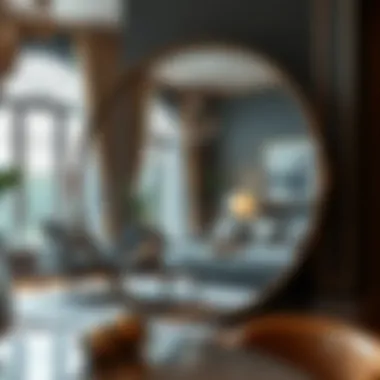
Round mirrors have made a significant mark in interior design, and their appeal isn't just skin-deep. With a diameter of 36 inches, these mirrors float effortlessly between functionality and aesthetic value. Their circular form softens the rigid lines of typical square or rectangular designs, creating a welcoming environment. As they enhance spatial perception, round mirrors can elegantly reflect light and views, thereby expanding the feel of a room. This guide will thoroughly explore how these mirrors can transform spaces, providing insights useful for designers and DIY enthusiasts alike.
Furniture Selection Guide
Key Factors in Choosing the Right Furniture
When selecting furniture that harmonizes with round mirrors, several factors should come into play. The size of the furniture, its design language, and the color palette can all make substantial impacts on the overall aesthetic.
First, consider the scale. Large, overstuffed furniture might clash with the sleek lines of a round mirror. Instead, opt for slender or modular pieces that complement its circular form. Mid-century modern or minimalist designs usually work wonders here.
Another crucial aspect is material. Wood, glass, or metal furniture can either highlight or downplay the characteristics of the mirror. For instance, a wooden side table might provide a rustic touch, while a glass coffee table adds sophistication.
- Harmony: Aim for furniture that creates a sense of flow with the mirror.
- Contrast: Sometimes, putting different styles alongside each other can create a striking dynamic.
Tips for Integrating Style and Functionality
Integrating style and functionality can feel like walking a tightrope. Here are some tips:
- Use Grouping: Set up furniture arrangements that turn the mirror into the focal part of the space. Position a sleek sofa or stylish chairs in close proximity, inviting people to draw their eyes to the reflection.
- Layering: Consider layering various textures and heights around the mirror. Add plants, books, or art alongside the furniture to create a multi-dimensional look that invites warmth and richness.
"A round mirror can be as much about function as it is about decor, reflecting not just the physical surroundings but also the essence of the design intention."
Maintenance and Care
Essential Tips for Furniture Longevity
Maintaining the integrity of both your round mirror and associated furniture requires regular attention. Here are a few essential care tips:
- Dust Regularly: Regular dusting prevents grime build-up on both mirrors and furniture surfaces. Micofiber cloths often work best for this task.
- Avoid Direct Sunlight: Long exposure can fade colors and warp materials. Ensure that furniture pieces with upholstery or wood finishes are kept away from harsh sunlight to extend their life.
- Clean with Care: For mirrors, use a specialized glass cleaner. Avoid abrasives that can scratch the surface. For furniture, consult care labels for the best cleaning methods.
Common Mistakes to Avoid in Furniture Care
When it comes to preserving your stylish setup, certain pitfalls can lead to a quick decline. Here are common mistakes:
- Neglecting Repairs: If something appears amiss, like a loose leg on a table, address it promptly to prevent further damage.
- Over-Cleaning: Too much product can leave residues. Use a light touch and follow instructions, letting the tools do the work.
Prolusion to Round Mirrors
Round mirrors have migrated from mere accessories to essential components in home and commercial design. Their unique shape brings a sense of balance and harmony to a room. When it comes to interior design, round mirrors can enhance aesthetic appeal and utility. They serve as focal points that can accentuate other decor elements while also providing crucial functionality, like enabling quick self-checks before heading out.
In this section, we will explore how round mirrors intertwine with style and practicality. This exploration sheds light on not just their role but also on what makes them resonate with so many. Homeowners, designers, and DIY enthusiasts alike can glean insights on how these mirrors contribute to a cohesive design approach.
Defining Round Mirrors
Round mirrors can simply be described as mirrors with a circular frame, differing vastly in sizes, materials, and styles. From the humble hand mirror to significant 36-inch wall-mounted pieces, the defining trait remains their circularity.
The essence of round mirrors lies in their ability to soften linear lines typically found in interior spaces. Whether in a narrow hallway or on a vast living room wall, they invite a visual fluidity that square or rectangular shapes struggle with. More so, round mirrors often symbolize unity and completeness, making them alluring choices for various environments.
The Popularity of Round Mirrors
The rise of round mirrors can be attributed to diverse factors that span trends and practical applications. Firstly, their versatile shapes make them welcome additions in various design styles, from modern minimalism to vintage. The movement toward open spaces and expansive layouts in interior design has also fueled interest; round mirrors tend to play nicely with natural light, enhancing brightness while making areas appear larger.
In recent years, social media platforms like Instagram and Pinterest have popularized round mirrors, often showcased in stylish interiors. People are inclined to share creative placements that highlight their unique characteristics, sparking new trends that encourage others to experiment with these captivating decor items.
Their adaptability across rooms enhances their appeal as well. For instance, in a bustling entryway, a round mirror can create a welcoming atmosphere, while in a serene bathroom, it can promote tranquility. Moreover, their convex or concave shapes add further intrigue, making them more than just reflective surfaces but artistic statements in their own right.
The 36-Inch Round Mirror: A Standard in Design
The 36-inch round mirror holds a coveted place in the world of interior design. Its versatility allows it to blend seamlessly into various settings, from a cozy living room to a sleek office space. What makes it truly unique is not just its size but how this particular form captures light, expands a room's visual dimension, and enhances the overall aesthetic.
One of the primary benefits of the 36-inch round mirror is its ability to serve as both a functional and decorative element in any space. It is sizable enough to make a statement without overwhelming the area. This balance strikes the right cord, making it a favorite among designers and homeowners alike. Such mirrors can draw the eye and act as a focal point, lending a sense of harmony to a room while also serving practical purposes.
In considering the design applications of a 36-inch round mirror, it’s vital to recognize that its circular shape defies the constraints of traditional rectangular or square mirror designs. This shape symbolizes unity and wholeness, drawing attention in a soft, inviting manner that rectangular mirrors often lack. Incorporating such a mirror can soften harsh lines in a space, introducing an organic quality that complements a wide array of design themes.
Furthermore, these mirrors accommodate a variety of styles. Whether one leans towards modern minimalism or vintage chic, the 36-inch round mirror can adapt and thrive, providing a blank canvas that can be customized with distinct framing options or placed in unexpected locations. These mirrors contribute to increasing the sense of space and can help diminish visual clutter, allowing for a more open and inviting environment.
Dimensions and Scale in Interior Design
When discussing dimensions, one must consider not just the physical size of the 36-inch round mirror but also how it interacts with other elements in the space. The dimensions create a visual weight that influences the scale of the room. A well-placed mirror can create a sense of expansiveness, making a cramped area feel more open and airy. In larger rooms, it can ground the decor, bringing balance and anchoring furniture arrangements without taking away from other design elements.
It is crucial to appreciate the context in which the mirror is placed. For instance, hanging it above a console table can create a balanced visual triangle, adding depth and character through reflection. In tighter spaces, such as a narrow hallway, the round form allows for a rounded visual point that guides the eye and avoids the feelings of constriction. It is this ability to play with scale that makes the 36-inch round mirror a cherished tool in the designer’s kit.
Proportions and Visual Balance

Proportions are fundamental to any design endeavor, and the 36-inch round mirror excels in this domain through its inherent symmetry. Its circular nature fosters a sense of equilibrium, allowing it to harmonize with various decor styles. For example, pairing it with rectangular furniture can introduce needed contrast, while using it with other circular forms—like round tables—can draw energy back into the room.
When considering visual balance, it’s essential to think about what’s placed around the mirror. Complementing elements such as plants, art pieces, or lighting can enhance its impact, making the overall setup feel intentional and cohesive. This scheme allows the mirror to reflect not only the room but also showcases elements of style, personality, and warmth.
"A well-placed round mirror serves as both a functional tool and a work of art, distorting reflections and lending an illusion of spaciousness."
In sum, the 36-inch round mirror is more than just a reflective surface; it’s an integral design piece that encourages better space management, enhances aesthetics, and fosters an inviting atmosphere.
Material Choices for Round Mirrors
Material selection plays a crucial role when it comes to round mirrors and their overall impact in a space. The choice of materials can significantly influence not just the aesthetic appeal but also the practical aspects such as durability, maintenance, and reflectivity. In this section, we will discuss the primary materials used in round mirrors: glass and acrylic, as well as the various framing materials available. This will equip interior designers, homeowners, and DIY enthusiasts with the knowledge to make informed decisions tailored to their unique tastes and requirements.
Glass vs. Acrylic: A Comparative Overview
When talking about mirrors, glass is often the first material that comes to mind. Its clarity and natural reflectivity have made it the traditional choice for creating mirrors. However, acrylic is carving a niche of its own due to some distinct properties. Here’s a closer examination of both:
- Clarity and Visibilty: Glass mirrors provide a crystal-clear image. Unlike acrylic, the reflective nature of glass remains untouched by scratches, hence delivering perfect clarity over time.
- Lightweight vs. Heavyweight: Acrylic mirrors are much lighter, making them easier to handle and install. This flexibility can often be the deciding factor for DIYers who are looking to avoid heavy lifting.
- Durability: Acrylic is shatter-resistant, which is a significant advantage, especially in homes with children or in commercial environments where accidents are more likely to occur. Glass mirrors, while inherently elegant, can pose safety risks if broken.
- Cost Efficiency: Generally, acrylic is more budget-friendly when compared to glass, making it an attractive alternative for those looking to create stylish yet economical interiors.
While glass mirrors are known for their timeless elegance, acrylic mirrors offer practicality without sacrificing style. The choice ultimately depends on the intended use, location, and personal preference.
Frame Materials: Wood, Metal, and More
The frame of a round mirror is not just a supporting structure; it is a design element that can greatly influence the overall look of a room. Below are some common frame materials, each bringing its unique character to the table:
- Wood Frames: Wood provides warmth and character. Whether it’s a rustic oak finish or sleek walnut, wooden frames can complement a variety of styles from bohemian to classic. They’re especially effective in living spaces where a touch of nature is desired.
- Metal Frames: Offering a more modern aesthetic, metal frames can vary from brushed nickel to matte black. They often evoke a contemporary feel and pair well with industrial or minimalist designs. However, their rigid lines can lend a cool touch, which might not suit every room.
- Mixed-Materials Frames: Combining wood and metal is a growing trend that delivers both form and function. A wooden frame with metallic accents can create a conversation piece that bridges the gap between different design styles.
- Artistic Frames: For those looking to make a statement, frames made from unique materials such as rattan or resin can offer an artistic flair. These styles resonate particularly well in bohemian or eclectic decor schemes.
"Selecting the right frame is as crucial as choosing the mirror itself, as it sets the tone for the entire space."
Design Styles Embraced by Round Mirrors
Round mirrors serve as a versatile design element that can elevate a space while reflecting personal style. Their circular shape draws the eye and adds balance, making them a focal point in various design aesthetics. Different styles can influence how these mirrors are perceived, thus enhancing the overall ambiance of the room. Understanding the various design styles that embrace round mirrors can help ensure that they complement the intended decor, heightening the visual experience within a space.
Modern Minimalism
In the realm of modern minimalism, round mirrors embody clean lines and functionality. This design philosophy prioritizes simplicity, emphasizing open spaces and subtle elegance. A round mirror in a modern minimalist setting is not just a decorative piece; it becomes an integral part of the design story, reinforcing the idea that less is indeed more.
- Key Elements:
- Frameless designs often characterize modern minimalism, allowing the mirror to blend seamlessly into the wall and create the illusion of more space.
- Neutral colors dominate, making the round shape stand out without overwhelming the room.
When placed strategically, such as above a minimalist console table or in an entryway, these mirrors can amplify natural light and create a sense of openness. A round mirror's organic shape introduces a touch of softness in an otherwise austere setting.
Bohemian Flair
Contrasting with the crisp lines of minimalism, the bohemian flair invites experimentation and vibrancy, where round mirrors play a significant role. This style is all about free spirits and eclectic charm, and a round mirror can reflect these values.
- Key Elements:
- Colorful and ornate frames are often used, showcasing intricate designs that celebrate diversity and creativity in art.
- Layered textures and diverse materials create a dynamic visual experience, making the mirror feel like a piece of art rather than just a functional object.
Hanging a round mirror in a living room that features mismatched furniture and rich textiles can tie the space together, reflecting the layered environment while adding depth. With elements such as vibrant wall colors and a plethora of plants, round mirrors compliment this bohemian aesthetic perfectly.
Classic and Vintage Appeal
Round mirrors also capture the timeless elegance of classic and vintage styles. Their design can call to mind bygone eras while adding sophistication to contemporary spaces. They evoke nostalgia and refinement, becoming conversation starters in any room.
- Key Elements:
- Intricate frames, often crafted from materials like wood or brass, highlight craftsmanship and artisan skills.
- Antique finishes enhance the vintage charm, suggesting stories and history that resonate with visitors.
In a classic living room adorned with antique furniture, floral patterns, and golden hues, a round mirror can function as a stunning statement piece, harmonizing the entire look. Placing it above a mantel or within a gallery wall can create focal points that invite exploration and admiration.
By understanding how different design styles embrace round mirrors, designers and homeowners can make informed decisions that reflect their tastes while also maximizing the impact of these essential decor pieces.
Placement Strategies for Maximizing Impact
Finding the perfect spot for your round mirror is like striking gold in the world of interior design. Misplaced, it may just be another reflective surface. But installed thoughtfully, it can transform and energize a space, amplifying both light and aesthetic appeal. Therefore, placement strategies should not be taken lightly. Here, we delve into specific areas for installation and height considerations to ensure your mirrors truly shine.
Key Areas for Installation
When it comes to leveraging the charm of round mirrors, certain key areas can maximize their effectiveness:
- Above a Sofa or Console Table: Nothing says 'welcome' quite like a round mirror centered above a sofa or console table. It draws the eye upward, adding depth and dimension to a room. It’s making a statement while keeping things practical; just make sure to leave at least six to twelve inches of space above the table.
- In Entryways: Round mirrors in entryways are nothing short of brilliance. Not only do they serve a functional purpose for a last-minute check before you step out, but they also make small spaces feel larger. Position it at eye level, usually about five to six feet from the ground, to ensure optimum visibility.
- In Dining Areas: Hang a round mirror opposite a window in your dining area to bounce natural light around, creating a warm and inviting atmosphere. This little trick works wonders to brighten the mood during dinner gatherings.
- Bathrooms: A well-placed round mirror can create a sophisticated focal point in a bathroom. Whether over the sink or freestanding, consider choosing a mirror that complements the fixtures and adds to the overall elegance of the space.
- Living Room Accent: If you have a designated accent wall, a round mirror can serve as the crowning jewel. Aligning it with wall art or decor items ensures a cohesive design flow.
Height Considerations


Getting the height right is like hitting the bullseye. Too high, and it feels disconnected; too low, and it may lose its intended charm.
- Eye Level: The general rule is to hang a mirror at eye level, approximately 57 to 65 inches from the floor. This height works for most average adults. For larger mirrors, consider placing them slightly higher for an elegant visual.
- Above Furniture: If you're placing the mirror above a furniture piece, allow about four to five inches of space between the mirror and the top of the furniture. This provides a clean aesthetic and gives the room breathing space.
- Mirror Size in Relation to Wall Space: Always consider the size of the mirror relative to the wall and surrounding decor. If the wall is tall, you might raise the mirror higher, but ensure it still remains visually accessible. Conversely, in a cozy nook, a lower placement can invite a sense of intimacy.
In sum, the strategic placement of round mirrors can significantly impact the overall ambiance of a space. By considering the key areas for installation and being mindful of height, homeowners and designers alike can enhance light, create visual interest, and elevate any room’s design.
When done right, a mirror isn’t just a piece of decor; it’s a design powerhouse that defines a room's personality.
For further reading on placement strategies, consider resources like Wikipedia, or delve deeper into design principles through the Britannica.
Incorporating these strategies for your round mirrors can lead to a harmonious living environment that reflects both style and practicality.
Enhancing Light and Space with Mirrors
When it comes to interior design, mirrors are often viewed as mere decorative elements. However, their role in enhancing light and space cannot be overstated. In fact, carefully placed round mirrors can act like windows, capturing and reflecting light throughout a room. This article section explores the integral benefits of using mirrors, particularly in crafts like the ever-popular 36-inch round mirror, which serves as an aesthetic focal point as well as a practical tool for light enhancement.
Reflectivity and Natural Light
Round mirrors have a unique charm that radiates elegance while performing a vital function. They possess the ability to reflect natural light, making smaller rooms feel larger and airier. Essentially, a well-placed round mirror can act as a clever trick of the eye, doubling the light's potential by bouncing it back into the space. For instance, if you hang a round mirror near a window, it can maximize the amount of daylight you enjoy, creating a brighter ambiance.
Consider the following benefits of integrating reflectivity into your interior design:
- Increased Brightness: Natural light can be reflected into darker corners of a room, reducing the need for additional lighting during the day.
- Mood Enhancement: Bright, well-lit spaces have been shown to positively affect mood and well-being. Mirrors can significantly contribute to this uplifting atmosphere.
- Focus on Features: A round mirror can draw attention to other design features—like furniture, artwork, or architectural elements—by reflecting them, creating harmony in a room.
Creating the Illusion of Space
Beyond merely reflecting light, round mirrors can create the optical illusion of a more expansive space. This function is particularly valuable in smaller areas or compact living conditions, where every inch counts. An effectively placed mirror tricks the mind into perceiving a larger area than what physically exists.
Here’s how incorporating round mirrors can help:
- Visual Expansion: A strategically positioned round mirror can provide depth in a flat space by visually extending the walls.
- Flow of Movement: By reflecting paths or furniture arrangements, mirrors can guide the flow of movement, making a room feel less cramped.
- Layering and Dimension: Adding a round mirror to a layout introduces layers and textures, which contributes to a more dynamic and engaging environment.
"A well-placed mirror can be a game-changer for making a small space feel open and inviting."
When employing mirrors, consider the overall design intention and the specific characteristics of the area you’re working with. The balance created by round mirrors can enhance the feel of your space while increasing its functionality. So, the next time you’re considering a design revamp, remember that your choices in mirror placement could very well redefine your interiors.
Maintenance and Care for Longevity
Taking care of your round mirrors is not just about keeping them looking spick and span; it's about prolonging their life and ensuring they continue to enhance your space effectively. A round mirror can serve as both a decorative piece and a functional one, reflecting light and opening up spaces. Over time, however, dust, grime, and wear can diminish their charm. Therefore, it is crucial to adopt the right maintenance practices.
Benefits of Proper Care:
- Preservation of Aesthetic Appeal: Regular maintenance keeps the mirror's surface clear and shiny, maintaining visual appeal.
- Longevity: Simple cleaning and care can extend the lifespan of mirrors, avoiding the need for premature replacements.
- Enhanced Functionality: Clean mirrors offer clearer reflections, improving their use in various spaces like bathrooms or dressing areas.
By understanding how to clean and address common dilemmas, you’ll be well on your way to ensuring that your round mirrors stay as radiant as the day you brought them home.
Cleaning Techniques
Cleaning a round mirror may seem straightforward, but doing it the right way ensures no spots or streaks disrupt its reflection. Here are some tried-and-true methods to keep your mirror sparkling:
- Gather Your Supplies: You’ll need a soft microfiber cloth, a gentle glass cleaner or a homemade solution (water mixed with a dash of vinegar), and a squeegee for larger mirrors.
- Wipe It Down: Start by dusting off the frame and surface of the mirror with a dry cloth. This prevents particles from scratching the glass.
- Apply Cleaner: Lightly spray the cleaner onto the cloth, never directly onto the mirror, as this could lead to seepage behind the glass, damaging the reflective backing.
- Clean Circular Motions: Using the cloth, wipe the mirror in circular motions to avoid streaks. If you’re using a squeegee, pull it from top to bottom, wiping it with the cloth after each pass.
- Final Touches: Inspect the mirror for any remaining smudges. If you find any, repeat the cleaning process on that spot until the surface is clear.
Addressing Common Issues
Even with regular cleaning, mirrors can encounter a few bumps on the road. Here’s how to tackle some common challenges:
- Water Spots: These pesky marks can form if water drips down the surface. To solve this, rub the area gently with a damp cloth followed by a dry microfiber cloth to prevent further moisture from settling.
- Scratched Surface: Should you find light scratches on your mirror, toothpaste can sometimes serve as a handy fix. Apply a small amount of non-gel toothpaste to the scratch and rub lightly with a soft cloth. Rinse off and dry.
- Foggy Reflection: This generally happens in humid conditions. Simply wiping it down with a cleaner can solve it. To prevent fog in bathrooms, consider installing an anti-fog mirror or using defogging sprays available in stores.
"Preventive maintenance is worth every penny when it comes to upholding the elegance of your round mirrors."
Keeping these principles in mind can ensure your round mirrors not only remain a focal point of your decor but also serve their purpose efficiently. For further insights related to mirror care and other relevant topics, check out resources like Wikipedia's guide or articles from reliable home improvement sites.
Incorporating Round Mirrors into Various Spaces
In the realm of interior design, round mirrors hold a timeless appeal and versatility that can dramatically transform any setting. Their circular form offers a unique visual element that softens the sharp angles typically found in furniture and architectural lines, creating a more harmonious and inviting atmosphere. As these mirrors can adapt to a myriad of styles, sizes, and materials, their incorporation into various spaces enhances not just aesthetics but also functionality in remarkable ways.
Living Rooms
When it comes to living rooms, round mirrors can act as focal points that draw the eye and instill a sense of spaciousness. A large round mirror hung over a fireplace or a couch serves not only as an art piece but also amplifies light and makes the room feel larger. Choose a statement piece with a bold frame—perhaps wrought iron or a vintage finish—to infuse personality into the decor.
Consider where to place these mirrors. Positioning them opposite windows can enhance natural light reflection, brightening the room with an airy feel. Moreover, in modern minimalistic designs, a simple frameless round mirror can seamlessly blend with understated furniture, contributing to a polished overall look.
"Round mirrors in living spaces encourage flow and connectivity, making them essential in inviting designs that resonate with warmth."
Bathrooms
Bathrooms serve as sanctuaries, and round mirrors complement this theme perfectly by adding a soft touch to what can often be a sterile environment. A round mirror above the vanity can soften the lines of harsh cabinetry while functioning practically as a grooming tool. Furthermore, the reflective surface can create an illusion of space in smaller bathrooms, making it feel more expansive than its actual dimensions.
When choosing a round mirror for a bathroom, consider the following:
- Size: Ensure the mirror is proportionate to the vanity for a balanced appearance.
- Material: Water-resistant materials are essential; consider mirrors with an anti-fog feature.
- Lighting: Integrated lighting or strategically placed sconces around the mirror can enhance both functionality and ambiance.
This thoughtful approach not only elevates the bathroom's usability but also enhances its style, creating a more enjoyable experience.
Entryways
Entryways are the first impression of a home, and round mirrors can play a pivotal role in setting the tone. A round mirror here doesn’t just reflect your image; it reflects the homeowner's taste and the home's character. Placed strategically above a console table or a bench, it creates a welcoming atmosphere that invites guests in.
Moreover, round mirrors have a unique way of adding depth to narrow hallways. Choosing a mirror with a decorative frame can bring an artistic flair, making the entryway feel less utilitarian and more like a curated space.
As for tips on placement:
- Hang the mirror at eye level to ensure practicality during daily use.
- Opt for mirrors that combine functionality, such as those with hooks or shelving to maximize the entryway’s utility.
Incorporating round mirrors smartly in these areas not only beautifies the space but also optimizes its function, giving a nod to style while maintaining practical considerations.
Round Mirrors in Commercial Spaces
In the bustling environment of commercial spaces, round mirrors play a surprisingly essential role. Their significance extends beyond mere decoration; they can enhance functionality and, with the right design, uplift the overall atmosphere. Commercial applications range from restaurants to offices, where appearance and ambiance significantly influence customer perceptions and employee productivity.
Enhancing Ambiance in Restaurants
Restaurants are as much about the dining experience as they are about the food. With the right decor, including round mirrors, a restaurant can transform an average meal into something memorable. Here’s how round mirrors contribute to this transformation:
- Creating Illusions of Space: In tight spaces, round mirrors can give an illusion of openness. They reflect light and the surrounding decor, making the dining area feel larger and more inviting. This is especially critical in smaller bistros or cafes where every square foot counts.
- Enhancing Light Reflectivity: Properly placed round mirrors catch and enhance natural and artificial lighting. A well-lit environment fosters comfort and encourages longer stays, which can increase customer spending.
- Aesthetic Appeal: The curvature of round mirrors softens the harsh lines found in many commercial spaces, creating a more relaxed vibe. Mirrors come in various finishes and styles, enabling restaurants to align the decor with their thematic essence, whether it's rustic, modern, or eclectic.
- Artistic Features: Some restaurants opt for custom-designed round mirrors that not only serve practical purposes but also act as pieces of art. This brings a unique touch to the establishment and can even become a talking point among patrons.
Utilizing Mirrors in Offices
The corporate realm isn't just about hard work; it's also about creating an environment that promotes productivity and well-being. Integrating round mirrors in offices presents several benefits that can enhance both functionality and aesthetic quality:
- Fostering Collaboration: Round mirrors can be ideal for open office environments, helping create a cohesive look that encourages communication. Their shape can soften the often rigid space created by cubicles, promoting a friendlier atmosphere.
- Enhancing Natural Light: Similar to restaurants, round mirrors in offices can maximize natural light, reflecting it around the room. This can counteract the often dull atmosphere found in many workplaces, making them feel more energizing and creative.
- Focus on Wellbeing: Studies have shown that natural light and well-decorated spaces enhance employee satisfaction and productivity. Round mirrors contribute to a more pleasant ambiance, which can encourage happier and more motivated staff.
- Strategic Positioning: When positioned thoughtfully, these mirrors can also provide a visual check on the layout of a workspace, enhancing security and awareness within the office. This is particularly useful for managers who can keep an eye on overall activity without appearing intrusive.
Round mirrors in commercial spaces serve as both functional and aesthetic elements that can significantly impact the overall experience for customers and employees alike. By mindfully integrating them into a design scheme, businesses can benefit from enhanced atmospheres, greater functionality, and even increased revenue.
DIY Round Mirror Projects
Crafting DIY round mirrors is an exciting journey that empowers individuals to express their creativity while adding a personal touch to home decor. Engaging in these projects can be both rewarding and cost-efficient, allowing homeowners and designers alike to make mirrors that fit their unique aesthetics and preferences. Whether you’re a seasoned DIYer or just starting out, this section will explore the significance of DIY round mirror projects and the opportunities they present for customization.
Creating something with your own hands instills a sense of accomplishment, enhancing your living space in ways that store-bought pieces often can’t achieve. Plus, these projects offer an avenue for sustainable design practices; repurposing materials or using eco-friendly options can make your endeavor environmentally sound.
While you embark on these creative tasks, several factors should be kept in mind, such as the materials you choose, the tools needed, and the specific design elements that resonate with your vision.
"Crafting your own round mirror allows you to mirror your own creativity—literally!"
Creating Custom Frames
When it comes to round mirrors, frames play a pivotal role. They are not just embellishments; they define the mirror’s character and integrate it into your decor. As such, when undertaking a DIY project, crafting a custom frame offers a chance to showcase your design sense and match your mirror to your interior style.
- Materials: Depending on your aesthetic, consider using wood, metal, or even recycled materials. For a rustic touch, reclaimed wood can be a fantastic choice, while metals lend a modern allure.
- Design Choices: The frame’s design can range from minimalistic to ornate. You could carve intricate patterns, paint bold colors, or wrap it in twine or fabric for a softer look.
- Tools Needed: Basic carpentry tools like a miter saw or a jigsaw will come in handy for wooden frames, while for metal, you may need welding tools or metal adhesive.
- Safety Precautions: Always prioritize safety. Wear protective eyewear, sturdy gloves, and work in a well-ventilated area to mitigate any risks associated with cutting or handling materials.
Adding Decorative Elements
After crafting your custom frame, think about how to make your round mirror truly one-of-a-kind with decorative elements. This phase allows for even greater personal expression, as you can incorporate details that highlight your personality or harmonize with the room’s theme.
Different approaches can enrich your mirror's appearance:
- Natural Elements: Incorporate materials such as seashells, dried flowers, or twigs for a nature-inspired look.
- Colors and Textures: Experiment with spray paint or stencils to add patterns or textures, turning the mirror frame into an artistic statement piece.
- Lighting Accents: Adding integrated LED lights can transform the mirror into a functional piece that enhances visibility while being stylish.
- Hanging Accessories: Consider how the mirror will hang; decorative ribbons, chains, or fabric loops can serve as both functional and decorative elements, tying the design together.
In summary, engaging in DIY round mirror projects allows for a captivating exploration of creativity and personal touch in home decor, proving that a touch of imagination can significantly enhance one's living space.
Culmination: The Versatile Appeal of Round Mirrors
In this article, we've traversed various dimensions of round mirrors, showcasing their role as both functional and aesthetic elements within modern design. Their versatility stems not only from their shapes but also from the myriad ways they can be integrated into different spaces. Round mirrors serve as focal points, enhance light distribution, and can even influence the feel of an entire room.
Summarizing Key Advantages
The advantages of incorporating round mirrors into your décor are numerous:
- Visual Appeal: Round mirrors soften sharp lines and angles typically found in rooms, providing a more casual, inviting atmosphere.
- Enhancement of Space: Positioned well, these mirrors can make small rooms appear larger and brighter by reflecting both light and space, giving the illusion of depth.
- Design Flexibility: Available in numerous styles and framings, round mirrors suit modern minimalism as well as rustic charm, adapting to personal tastes and existing decor.
- Practical Functionality: Beyond aesthetics, they serve utility by providing a reflection in high-traffic areas, aiding in grooming and outfit checks.
These advantages combined offer compelling reasons for anyone—be it designers, retail space owners, or homeowners—to consider integrating them.
Future Trends in Round Mirror Design
As we peer into the future of interior design, round mirrors are likely to maintain their relevance, perhaps even gaining new heights in innovation.
- Smart Mirrors: The rise of technology in home furnishings indicates a trend towards smart mirrors with features such as lighting controls and reflective displays for notifications. These could create a more interactive experience in daily routines.
- Sustainable Materials: As eco-awareness grows, expect to see round mirrors crafted from recycled or sustainable materials, placing an emphasis on environmental responsibility.
- Artistic Integration: Designers may lean towards bespoke mirrors that double as art pieces. Expect to see artisanal designs that merge functionality with a statement piece, drawing influences from various art movements.
"In design, round mirrors are not just fixtures; they embody the blend of art and functionality, offering endless possibilities."